What is ACI
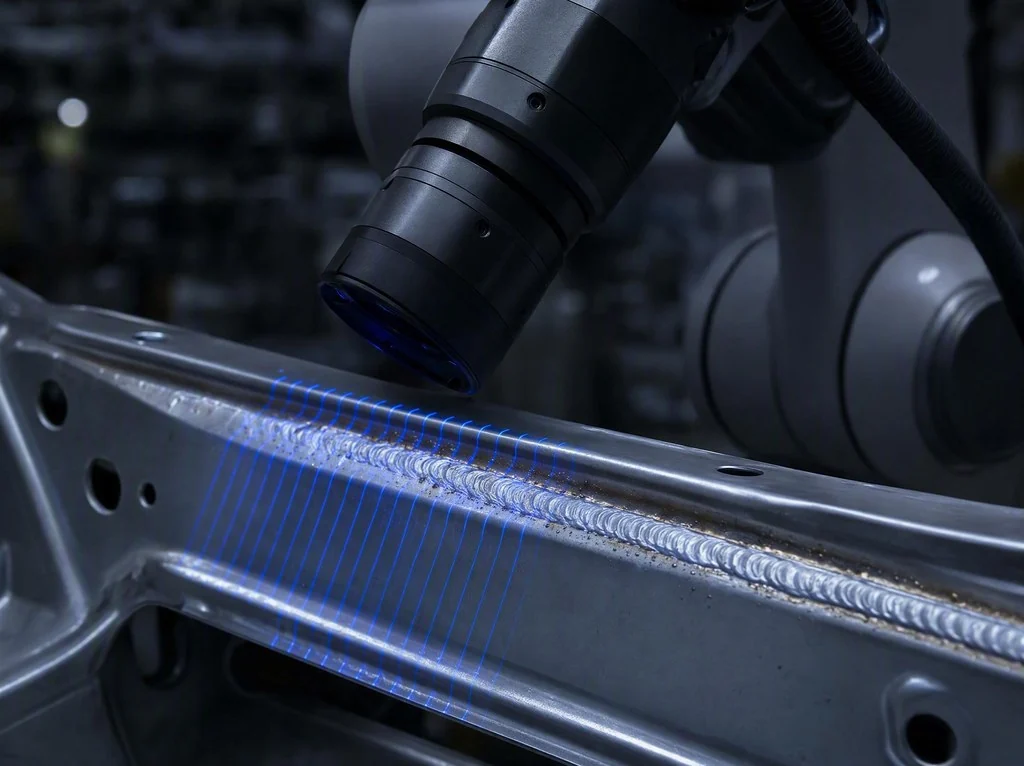
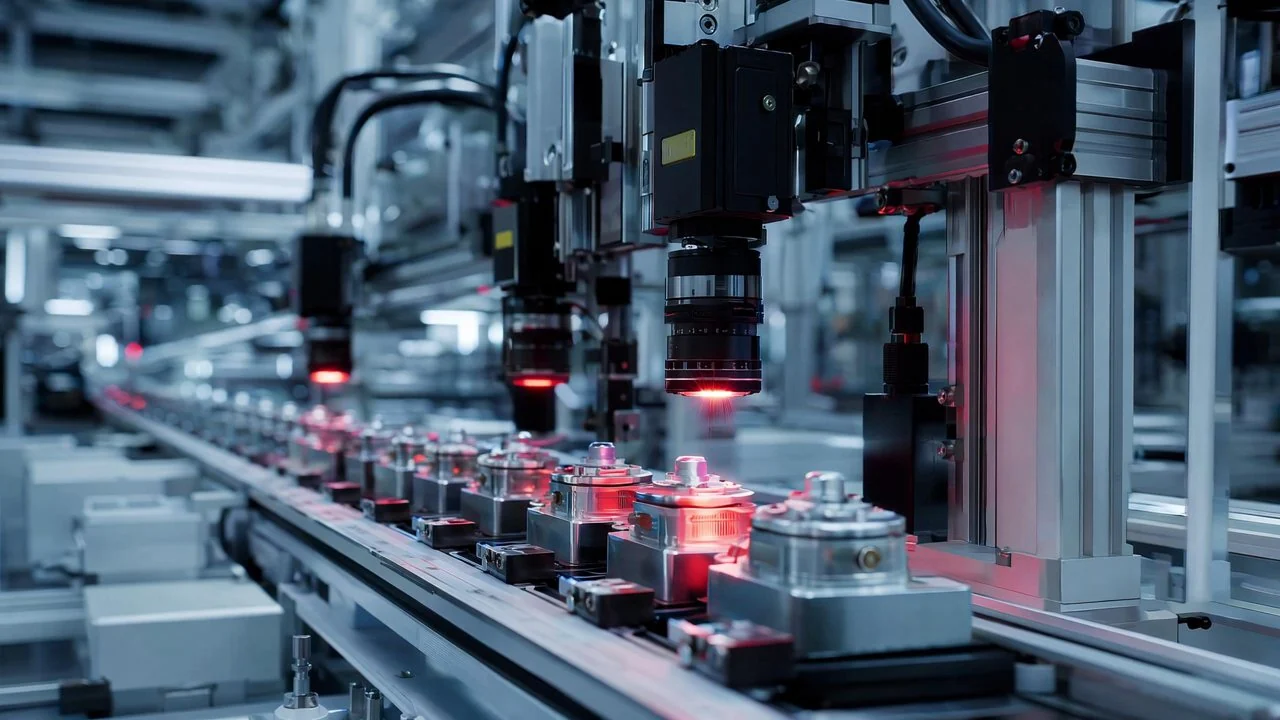
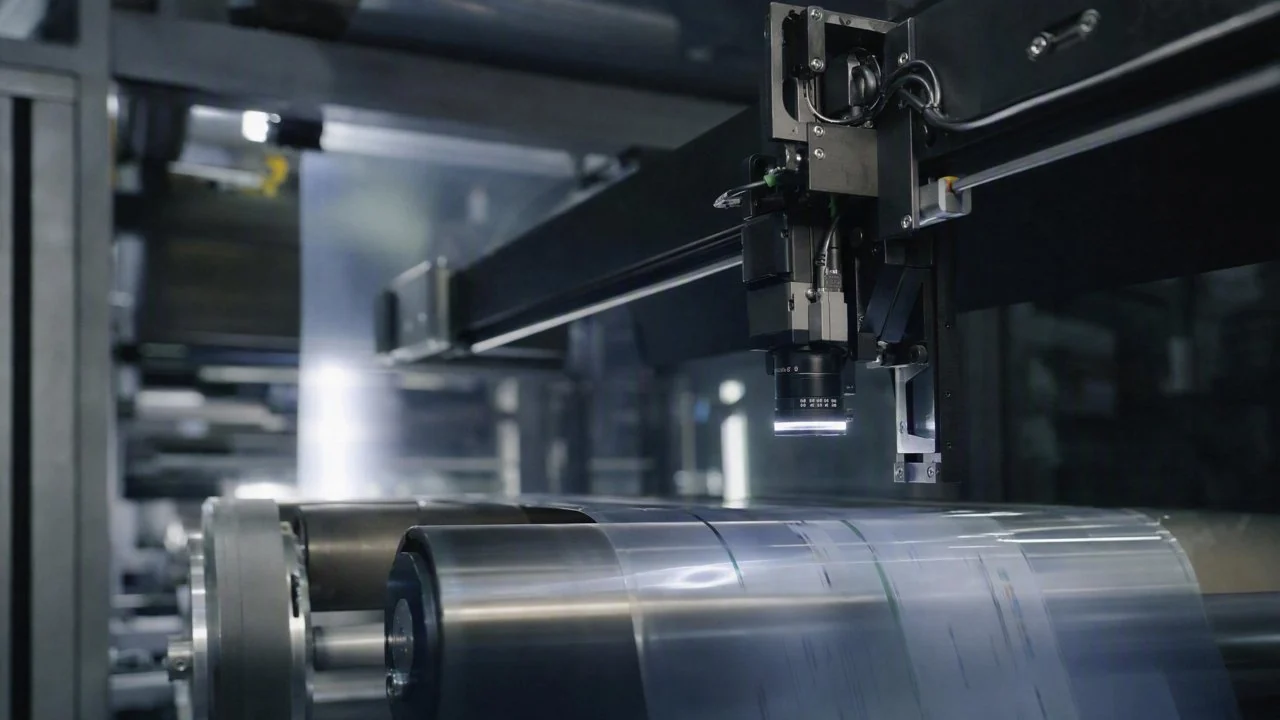
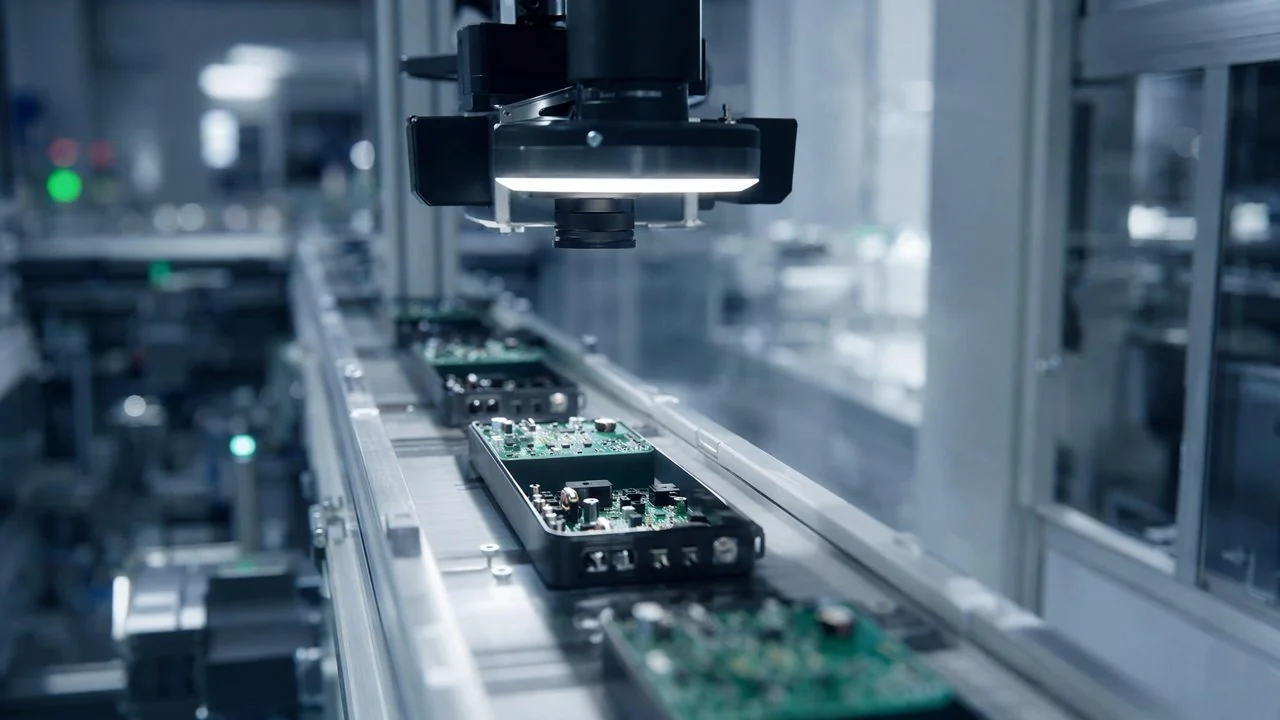
ACI = Auto Cognitive Inspection — the category name for industrial visual quality inspection, and the next generation of what the industry has long called AI AOI. It means a class of system that first models what "normal" looks like from a single good sample, then judges how the part in front of it departs from that — rather than comparing an image pixel by pixel against a golden reference, following rules a person wrote in advance.
ACI and AOI (Automated Optical Inspection) solve the same problem — finding defects on a line — but the basis of the decision differs: one decides on learned features, the other on pixel difference against a threshold.
What each letter stands for
| Letter | Meaning | On the line this shows up as |
|---|---|---|
| A · Auto | Automated | Modelling and go-live need no hand-written rules and no per-component boxes |
| C · Cognitive | Cognition | The decision rests on learned features — the component and the defect, not the pixel difference |
| I · Inspection | Inspection | Output is a pass/fail call plus defect class and location |
Against AOI, the difference on the line comes down to five things
The letter that changes in the name is the O. Why that one has dated rather than the A or the I is argued in full at From AI AOI to ACI. On your line, the difference is these five:
| Where it shows up | AOI (automated optical inspection) | ACI (auto cognitive inspection) |
|---|---|---|
| What modelling needs | CAD files, inspection boxes, thresholds, usually a batch of defect samples too | One good board — no CAD, no defect library |
| Basis of the decision | Pixel difference against a reference exceeds a threshold | Whether learned features depart from "normal" |
| A defect never seen before | Add a rule or collect samples first, then go live again | A departure from normal is flagged without having seen that kind first |
| What changeover costs | Boxes and thresholds are indexed to this board's coordinates, so they are redone | Re-model, while thresholds and rules stay yours |
| How false calls come down | Tune the threshold — false calls and escapes pull against each other | Feed review outcomes back — see feedback learning |
What ACI is made of
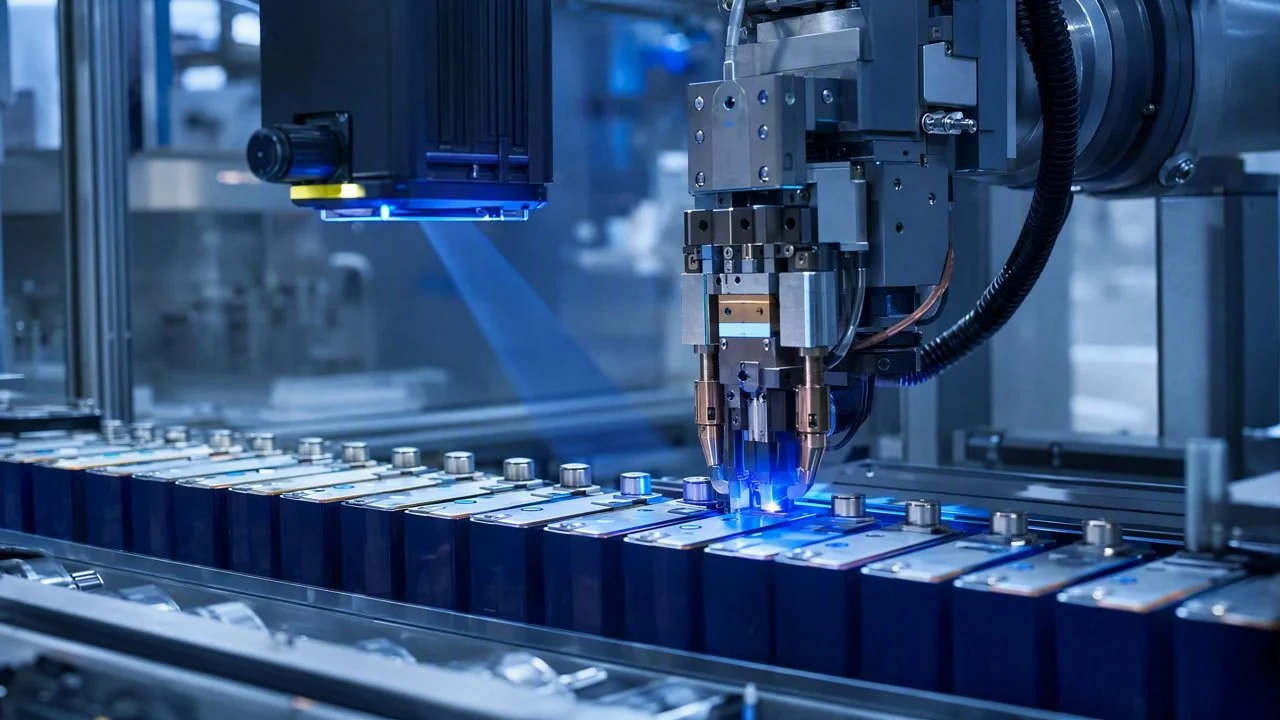
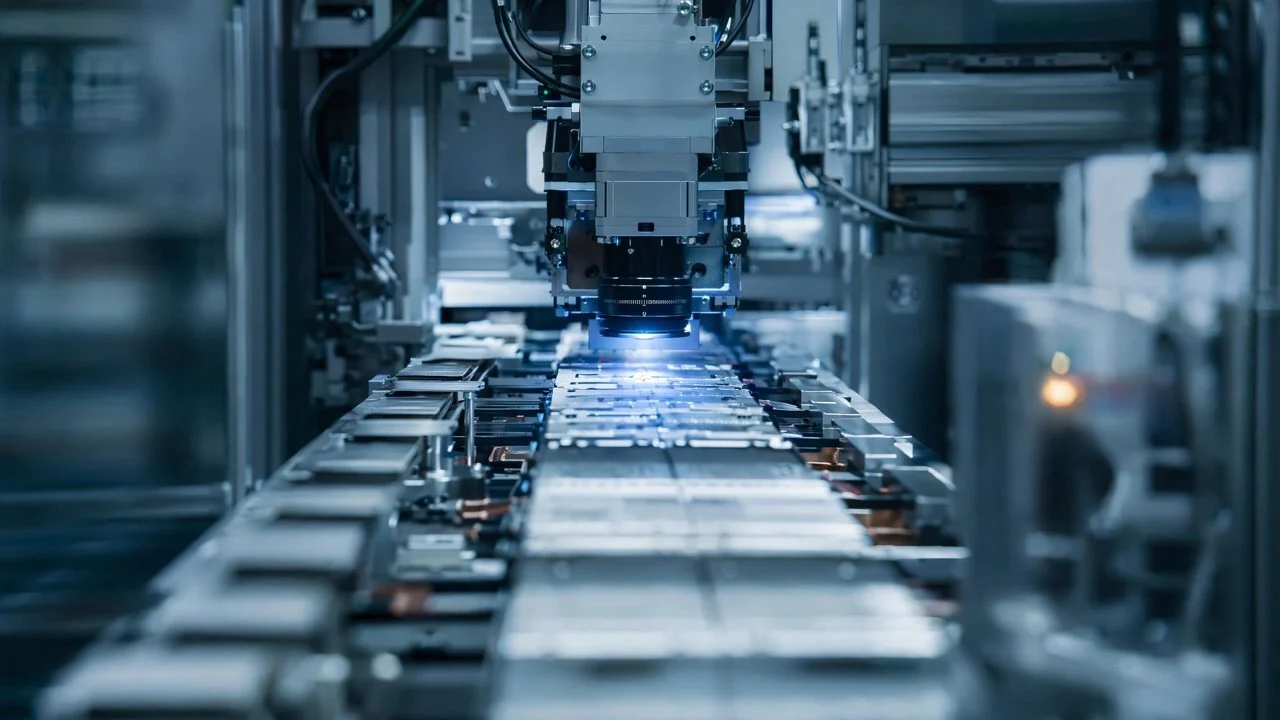
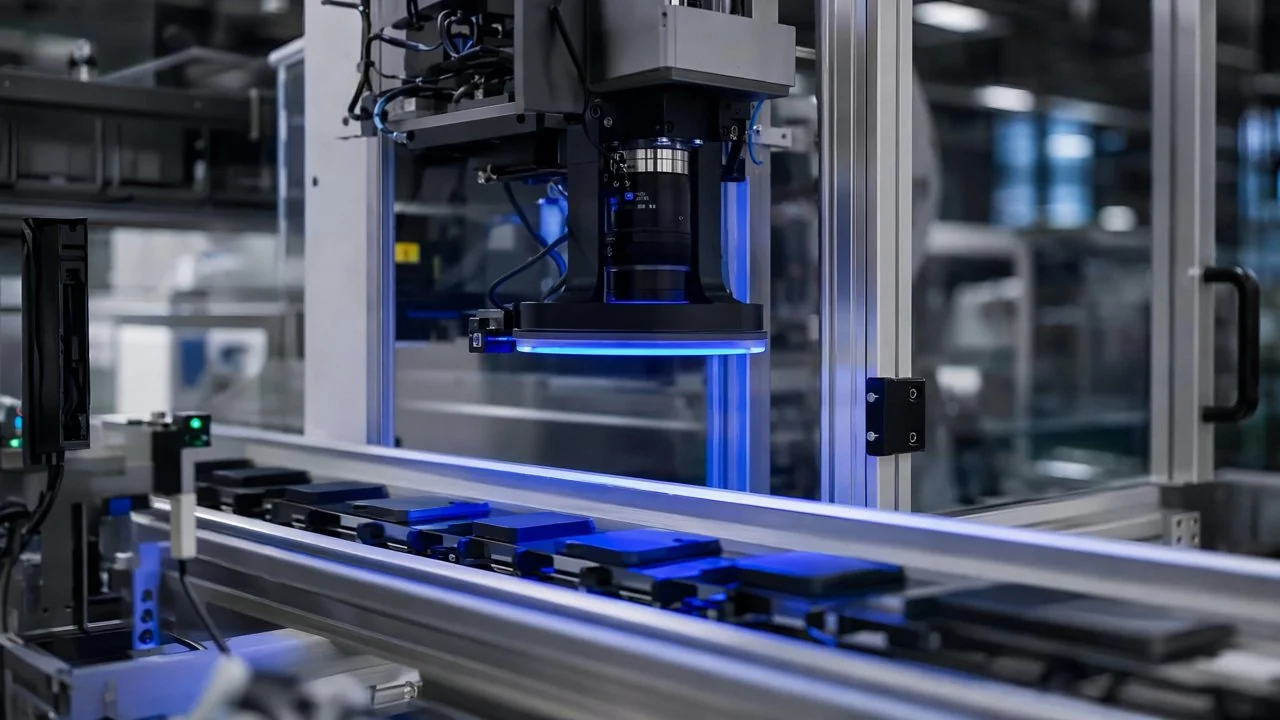
One model foundation in three forms: ACI OS (connects to the cameras and line you already have), 2D ACI equipment (offline and inline models) and 3D ACI equipment (topography and hidden joints). For what it can judge see ACI defect coverage; for the economics see AOI machine cost and ROI. Model and data both stay inside your line — see the next section on sovereign AI.
When you need ACI rather than AOI
Four checks. The first three are typical symptoms of last-generation AOI; the fourth is the job itself having moved outside what "optical" reaches. Any one of them is reason to read on:
- changeover means redrawing boxes and retuning thresholds, and that is where most engineering time goes;
- the list of defect shapes never ends — something turns up on the line for the first time;
- false calls cannot be tuned down without letting escapes through;
- what you need to judge lies outside visible light: topography, hidden joints, or objects that are not boards at all.
One level up: ACI is not only a category of inspection, it is an operating system
DaoAI builds the world's first Auto Cognitive Inspection (ACI) operating system. Swapping the basis of the decision from pixels to features is only the first level. What separates ACI from "a smarter inspection machine" is that perception and control close the loop inside one system: the cognitive result is not the end of the line — it decides what happens next, whether to change the angle, add light or take one more 3D capture, decided by the system rather than scheduled by a person. On the robot side, the decision becomes the input to the next motion directly; see robot vision. Once that level exists, ACI turns from a category of inspection into an operating system for cognitive inspection robots.
It has four layers
| Layer | What it is |
|---|---|
| Perception | Structured-light 3D cameras, multispectral and multi-modal imaging — see 3D ACI equipment |
| World-model foundation | DaoAI World — one model of space, material, light, motion and causality, shared by all three product lines |
| Task layer | auto-programming, feedback learning, 6D pose and motion planning; this layer is the outward-facing interface |
| Factory interface | MES, SPC, traceability and role-based permissions |
| Hardware abstraction | Cuts across the four above: cameras, lights, motion axes, robot arms — and third-party machines |
Four things the operating system has to do
Whether someone else's machine can run the DaoAI World foundation does not come down to model accuracy. It comes down to these four pieces of engineering; without any one of them, the third-party route does not exist.
| # | What it does | Concretely |
|---|---|---|
| 01 | Hardware abstraction | One imaging and motion interface upward; downward it adapts to our own structured-light 3D cameras, third-party cameras, lights, motion axes and robot arms |
| 02 | Data flywheel | Only structured indicators flow back, never customer images: package type, failure-mode counts, convergence curves, calibration drift. The images themselves stay in the plant |
| 03 | Version governance | Foundation version, site-specific model and hand-tuned parameters each carry their own version number and rollback path; an update never overwrites hand-tuned parameters — the same commitment as thresholds and rules stay yours |
| 04 | Metering and licensing | One serial number and one licence credential, metered per unit-year or per inspection; metering holds offline — it does not require a network connection |
What comes next: from removing the programming tax to removing the teaching tax
What is removed today is the labour of writing inspection programs by hand. What comes next is the teaching labour on the robot side — pick points, load and unload trajectories, the motion sequences for review and rework. Both draw on the same representation of space and causality, so they are not two systems.