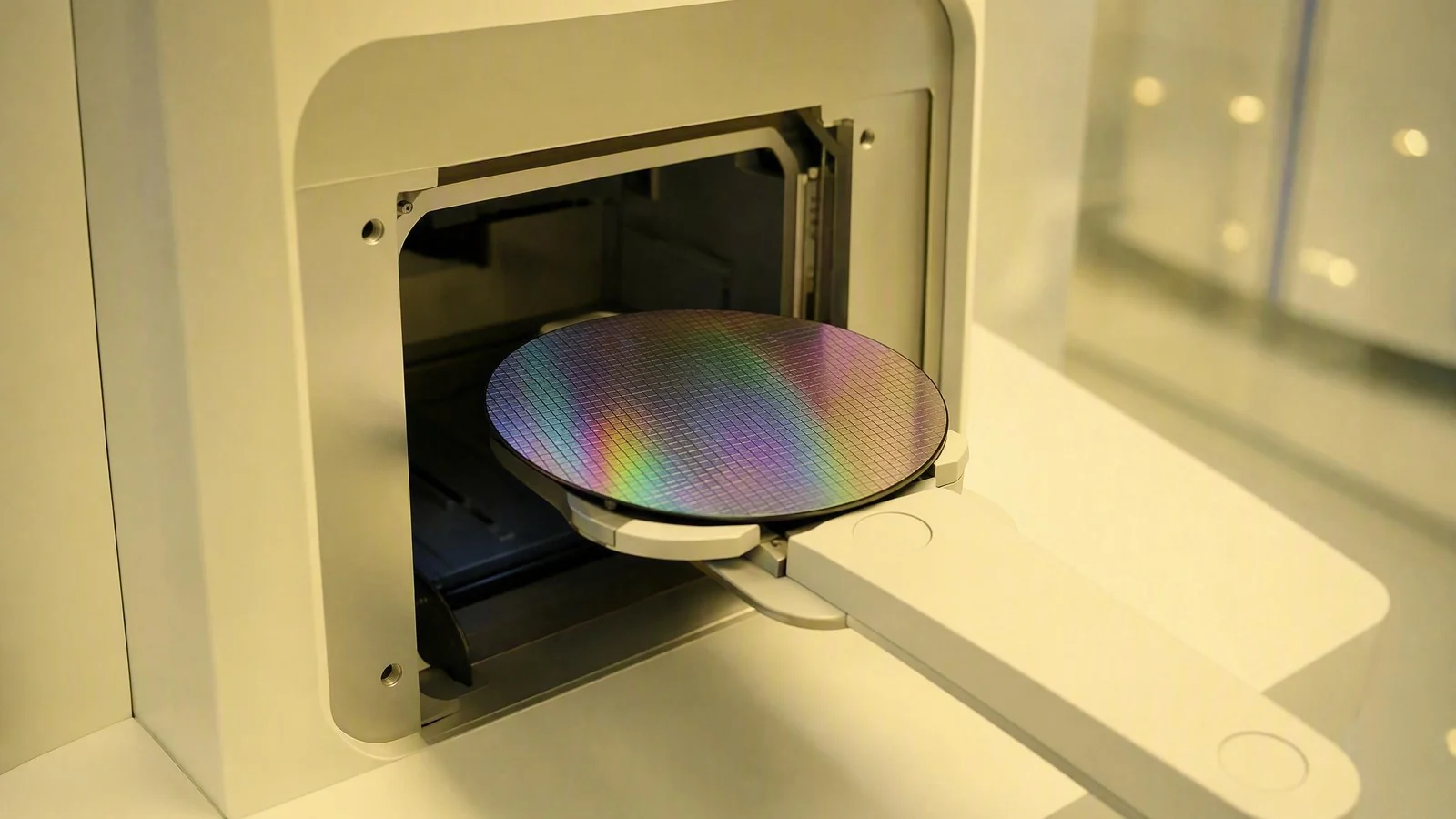
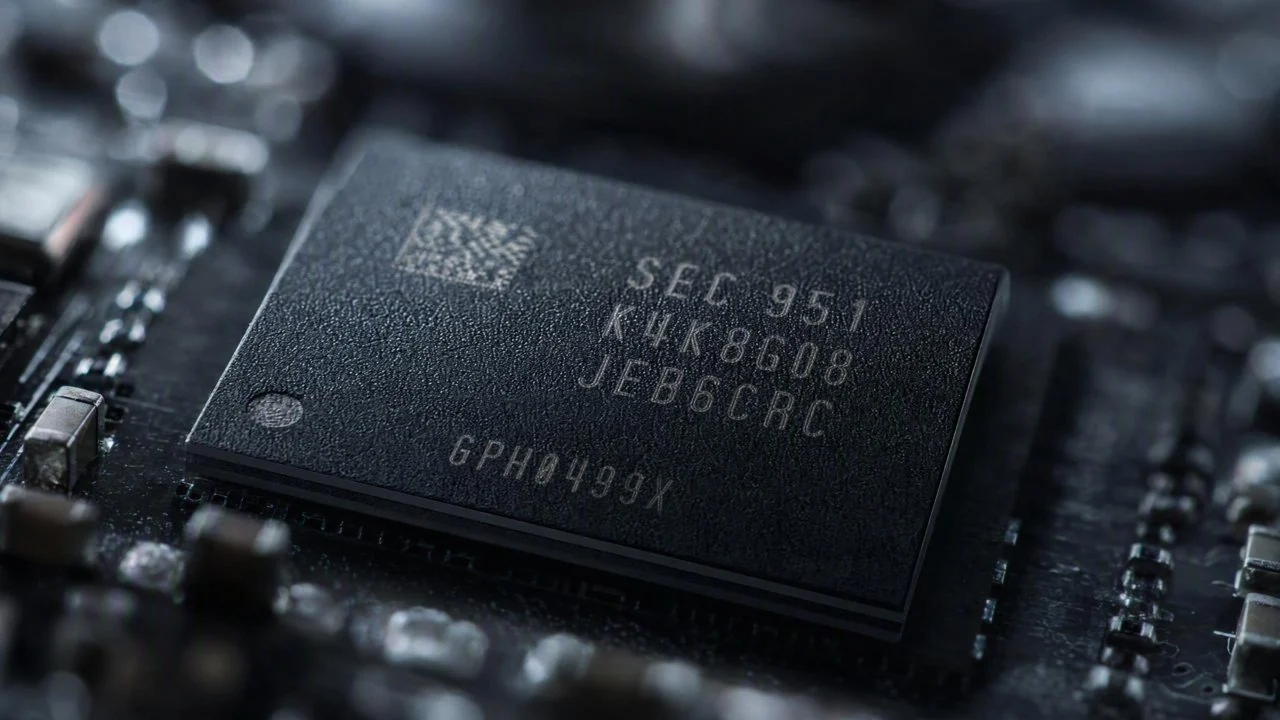
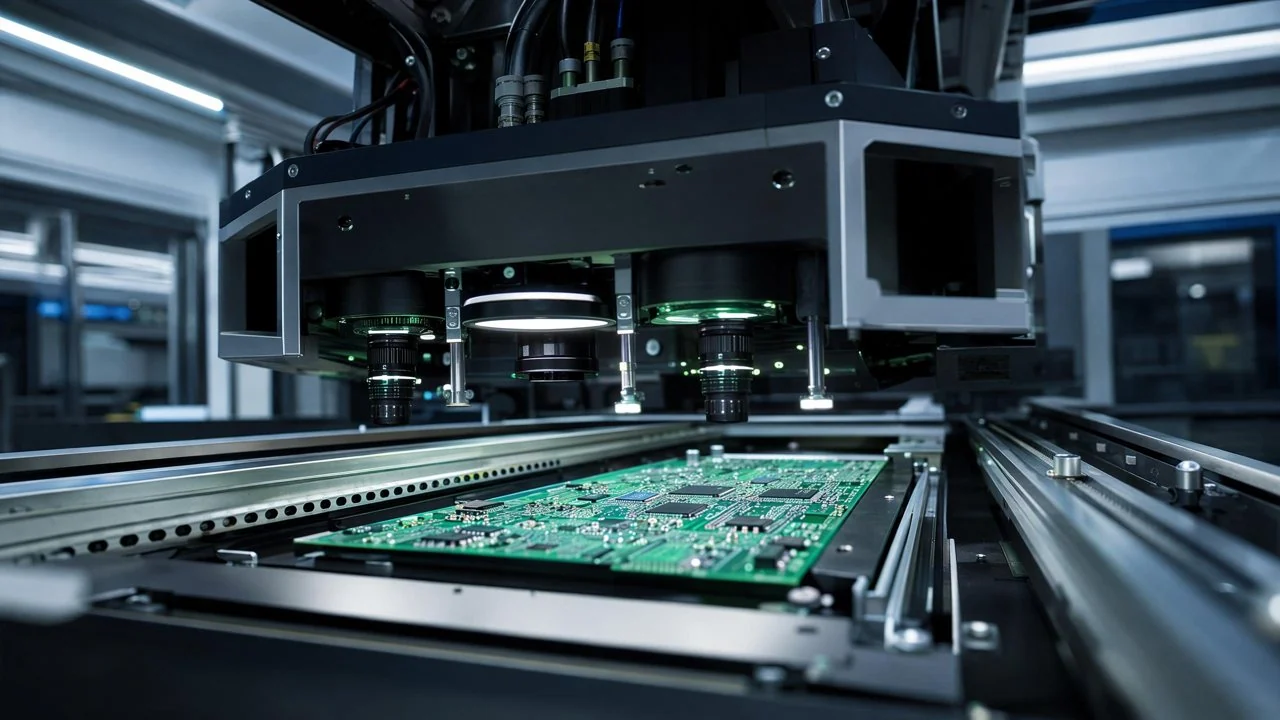
DaoAI's Semiconductor / chips: −90% Man-to-machine, 98% Accuracy. From wafer to advanced packaging — micron-level device-appearance and character inspection.
In back-end semiconductor work the problem is not detection — it is over-kill. To avoid missing a real defect, conventional AOI tightens its criterion and flags a large volume of nuisance along with it, leaving cleanroom staff to re-judge image by image. Over-kill can exceed a fifth of output: good die scrapped, and headcount parked at the re-judgement station.
The other half is novelty. Every change in advanced packaging brings a fresh set of defect appearances, none with enough samples to train a conventional CNN. And an escape at bonding is costed per device, sometimes per lot.
2. How the solution is put together
Triage first, judge second: AI-ADC separates real defects from nuisance so re-judgement volume falls, instead of trading detection against over-kill on a threshold.
Cover new defect classes from few samples: APDT positive-sample learning with the DaoAI World foundation model generalises to a new defect type from a handful of examples, without waiting for a full sample set.
Run inference at the equipment edge: defect classification moves into the ACI system itself, replacing image-by-image human re-judgement and lifting throughput with it.
Line integration: results and defect coordinates return to MES / YMS, traceable by lot and position. Production data stays inside the plant.
3. Choosing the configuration
Process step
Recommended
What it addresses
Post-AOI re-judgement
AOI software (AI-ADC triage)
Over-kill rate and manual re-judgement volume
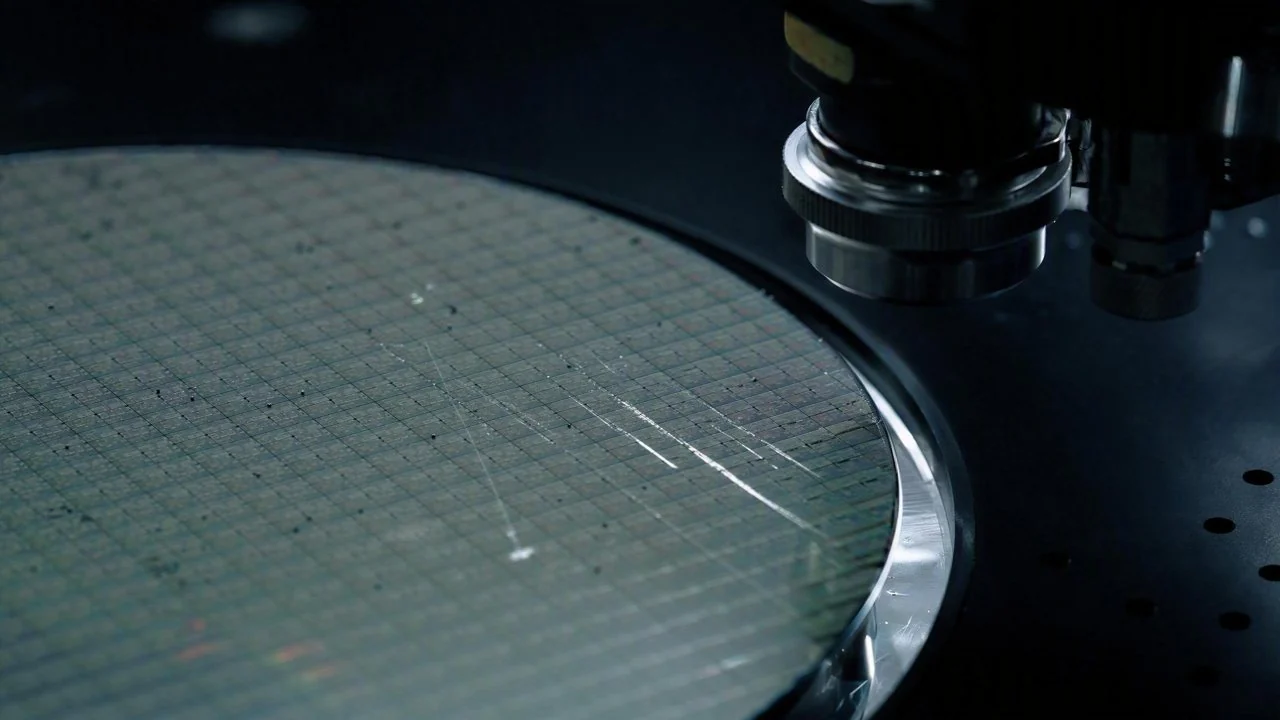
Wafer surface
3D ACI
Classification and location of scratches, particles, chipping
Wire bonding / die attach
3D ACI with edge inference
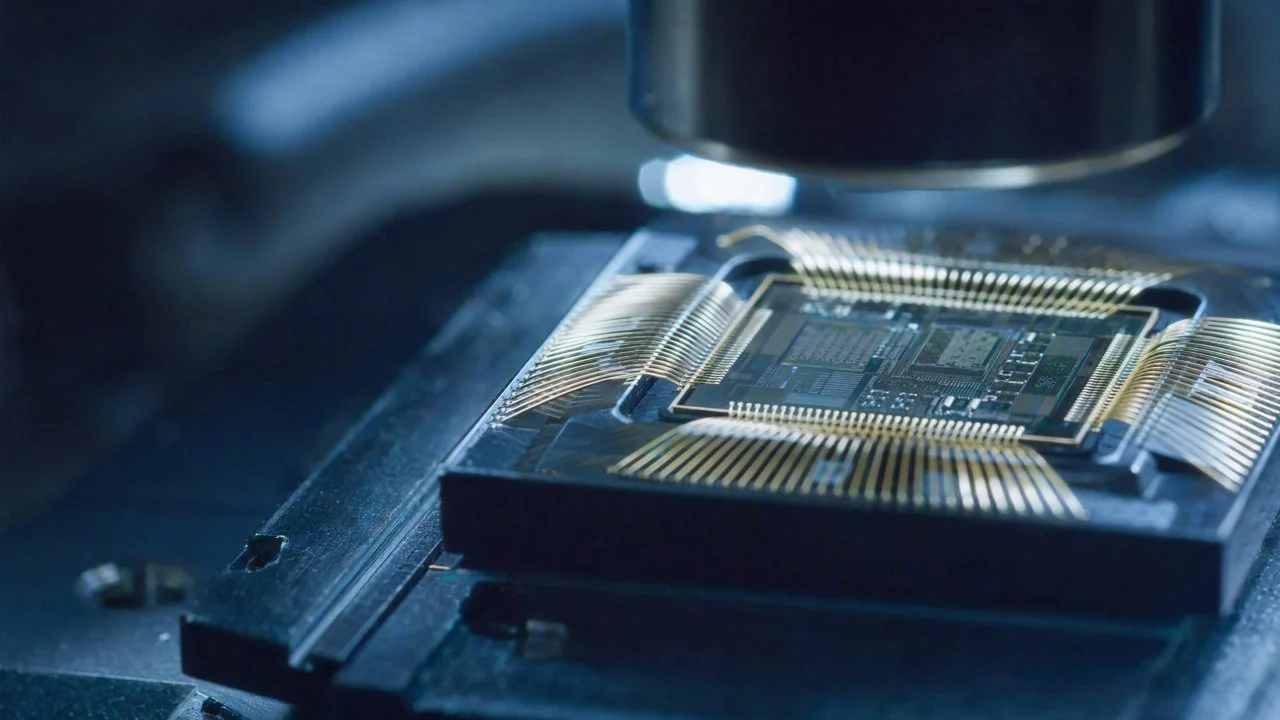
Sagging wires, attach offset, voids
Character / mark OCR
2D ACI with OCR / OCV
Legibility and consistency of laser marking
4. How deployment runs
DaoAI's deployment runs in four steps. ① Assessment — agree the boundary between real defect and nuisance; that boundary is where over-kill comes from. ② Configuration — match systems and mounting to process step and cleanroom requirements. ③ On-site deployment — model built from good product and the existing defect library; operators are up to speed in about 30 minutes. ④ Feedback — re-judgement results flow back, new defect classes are added from few samples, and the model updates in minutes.
5. What to measure afterwards
Four numbers: over-kill rate, escapes, manual re-judgement volume, inspection cadence. Across DaoAI's deployed semiconductor lines the typical picture is under 2% over-kill on post-AOI classification with manual re-judgement down 90% and cadence up 30%; 98% accuracy after wire bonding with double the throughput and escapes close to zero; and >96% classification accuracy on rare defects launched from few samples, with escapes around 0.2%.
Figures are the typical range our solution reaches in anonymised industry scenarios. Actual values vary with process step, device and existing defect library; on-site measurement governs.
What defects can AI vision detect in semiconductor manufacturing?
These include wafer surface scratches and particles, wire-bond quality, dicing chipping, missing or bridged bumps, coplanarity, and automatic defect classification (ADC) of rare defects. DaoAI stays stable under low-contrast, high-resolution conditions.
Rare defects are hard to collect, how can AI be trained with few samples?
DaoAI supports few-shot and unsupervised anomaly detection, modeling from good units or very few defect samples, and can flag never-before-seen rare defects as anomalies.
Can automatic defect classification (ADC) replace manual review?
Largely, yes. DaoAI ADC auto-classifies and grades defects, sharply reducing manual review so engineers focus only on a few high-risk categories, improving SPC decisions.
High-resolution inspection produces huge data, can it run on-premise to protect process IP?
Yes. DaoAI supports fully on-premise deployment, keeping wafer data inside the fab to meet strict process-IP and compliance requirements.