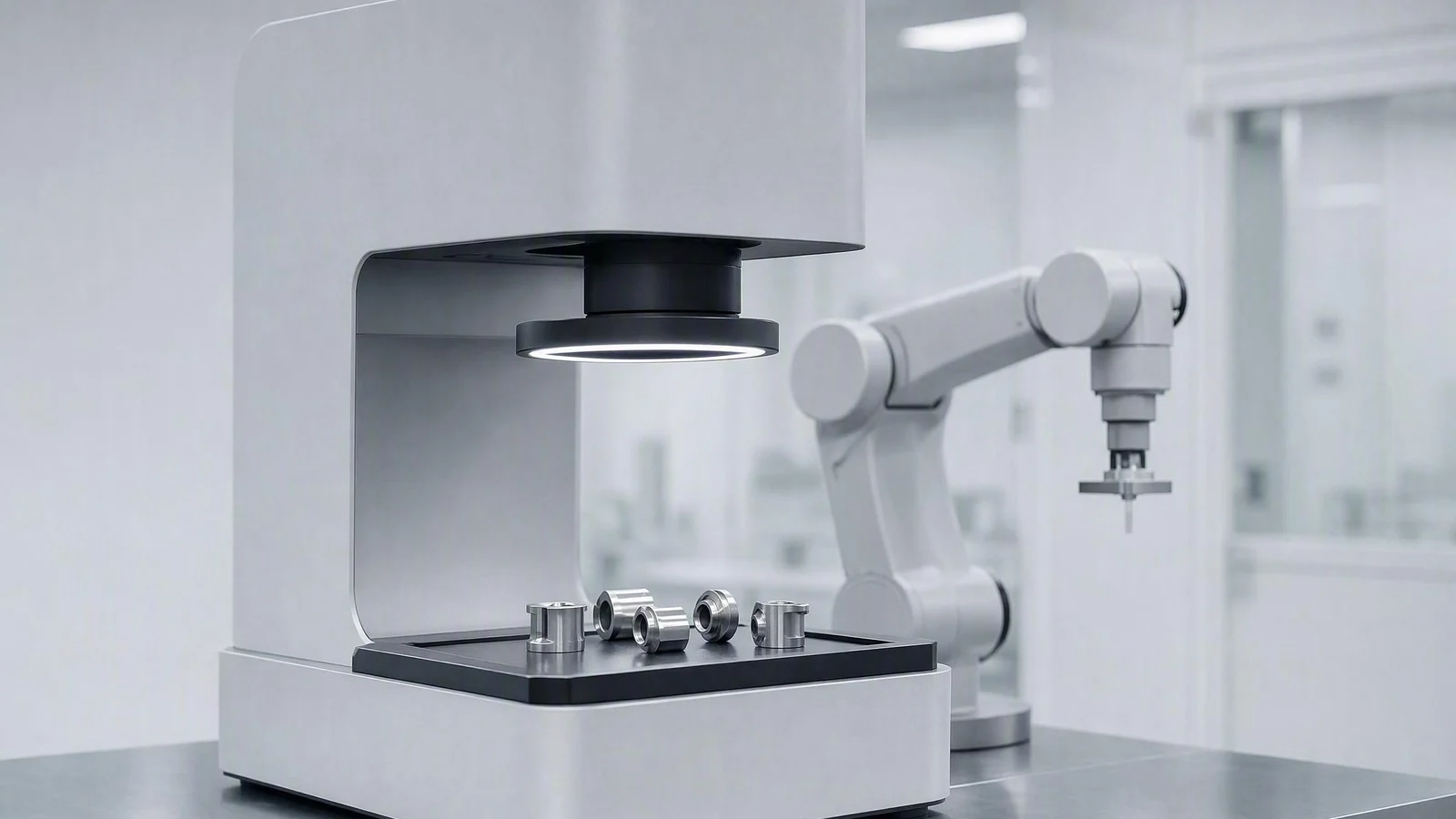
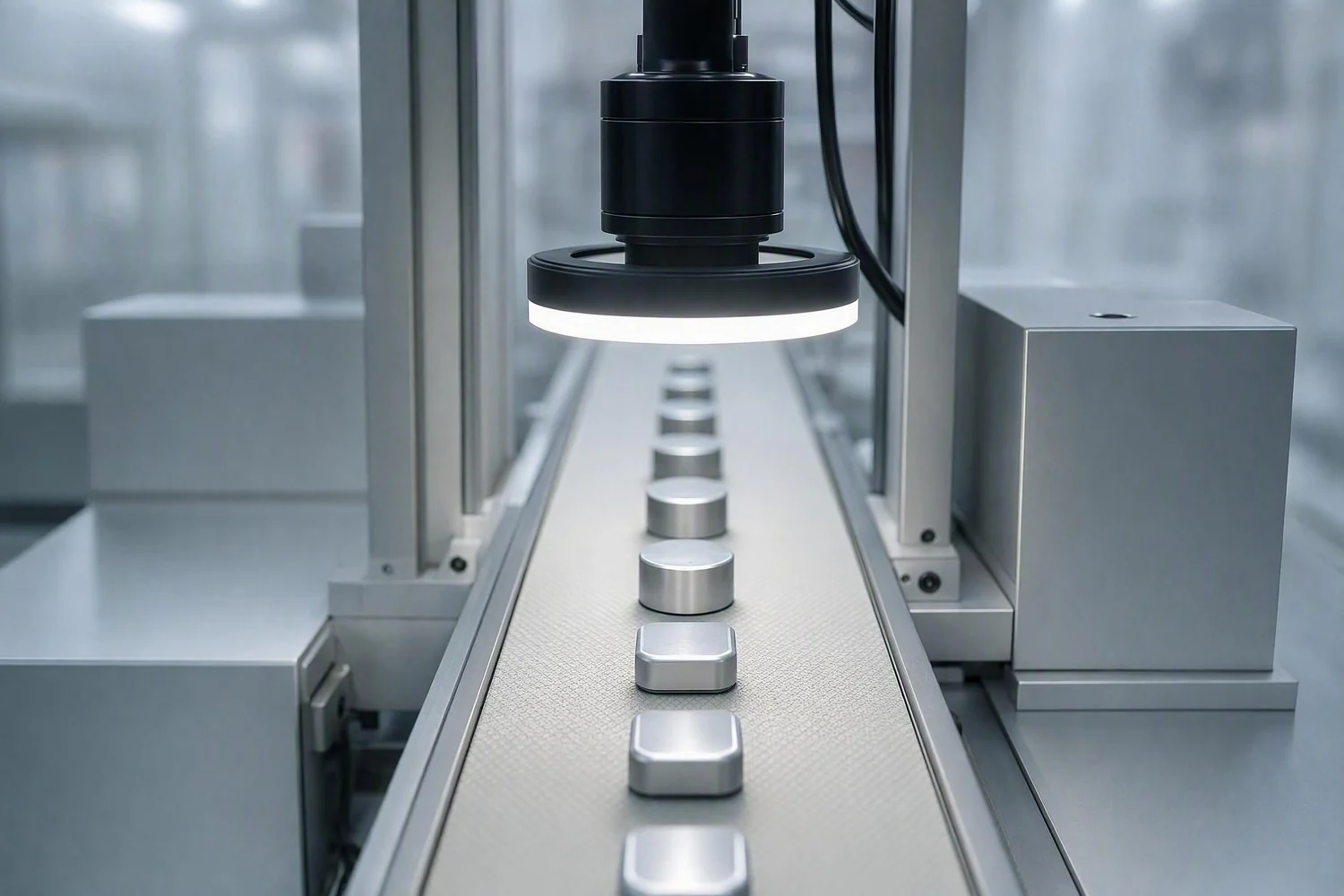
On consumer lines the constraint is not the difficulty of any single defect — it is change. Many SKUs, frequent changeovers, fast product iteration. Every new variant starts with no defect samples at all, and conventional vision has to be reprogrammed at each changeover; spread across small batches, those hours of downtime turn inspection itself into a cost line.
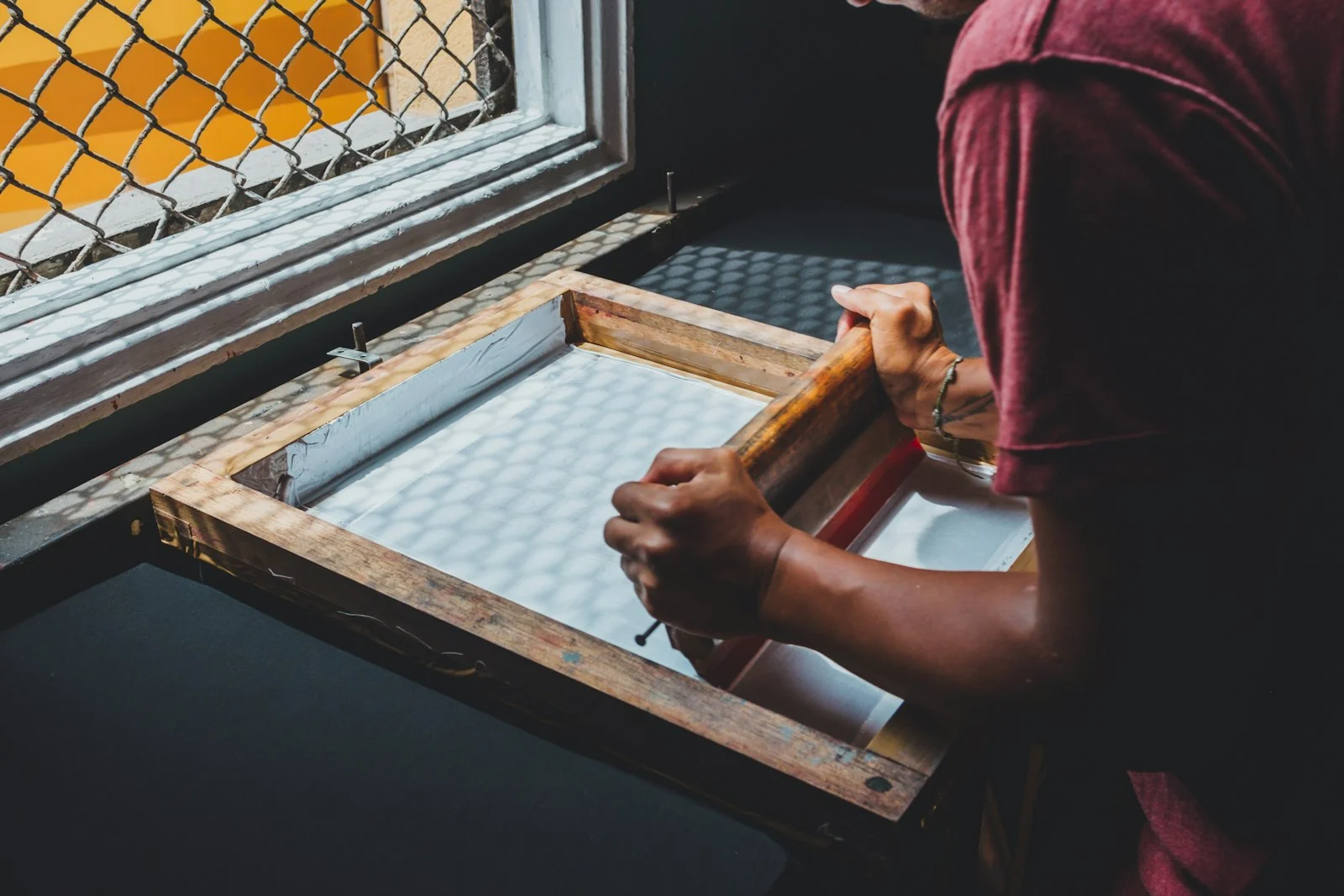
The other half is consistency of cosmetic judgement. Fine scratches and dents on curved, reflective metal tire the eye and drift between shifts, while double printing, broken strokes and missing characters in silkscreen are not something sampling can cover.
2. How the solution is put together
Get a new variant running first: APDT positive-sample learning goes live on 1–20 good samples, so a line can start before any defect samples exist.
Changeover without reprogramming: platform templates and zero-code changeover switch the line in 5 minutes; a new variant does not mean a new rule set.
Reuse what related SKUs already taught: transfer learning carries criteria across product families, cutting how many samples a new family needs.
Line integration: results are filed by SKU for traceability and grading. Production data stays inside the plant.
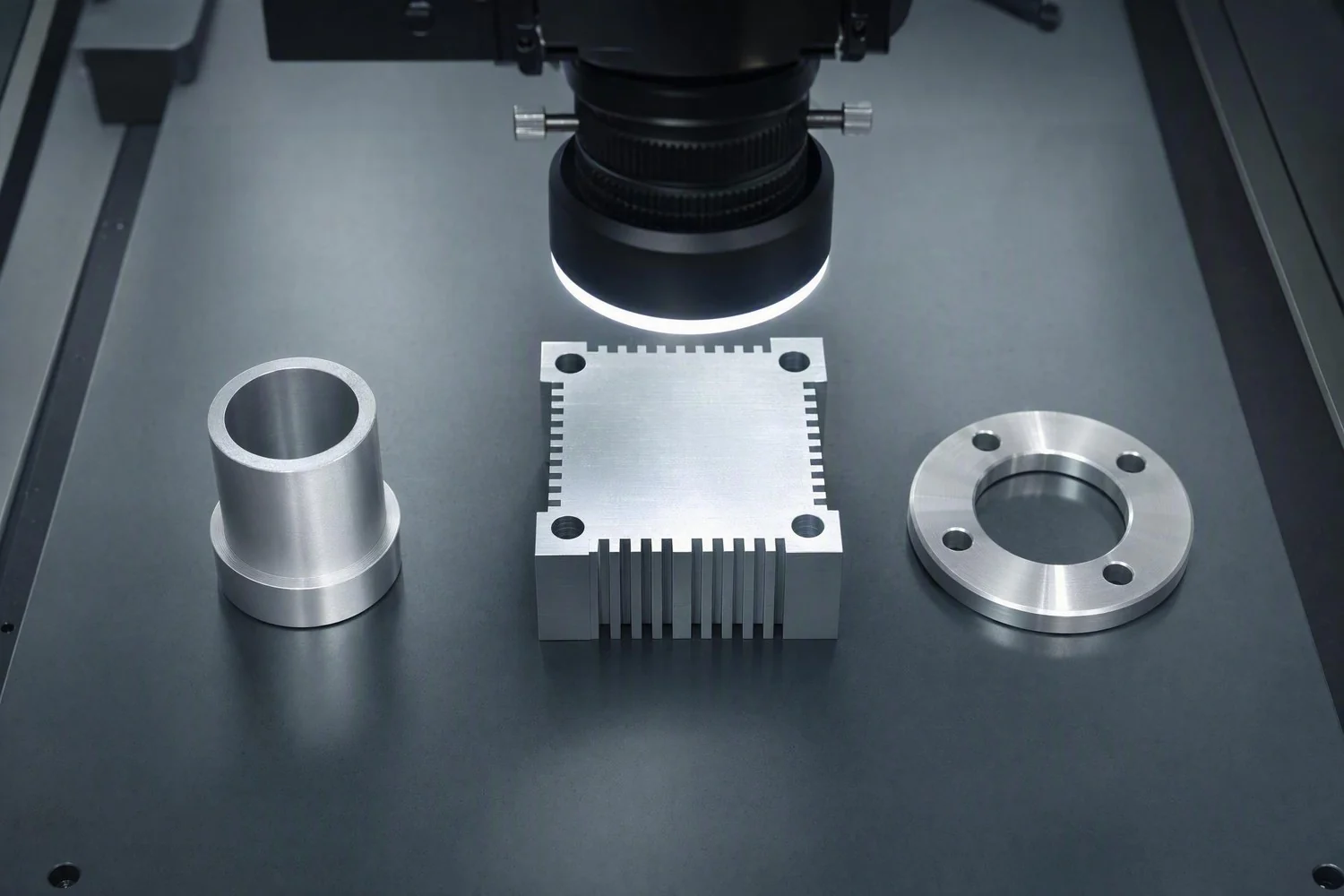
Scratches and dents on curved reflective surfaces, grading consistency
Dimensions and tolerances
3D ACI
Component dimensions, flatness and fit
4. How deployment runs
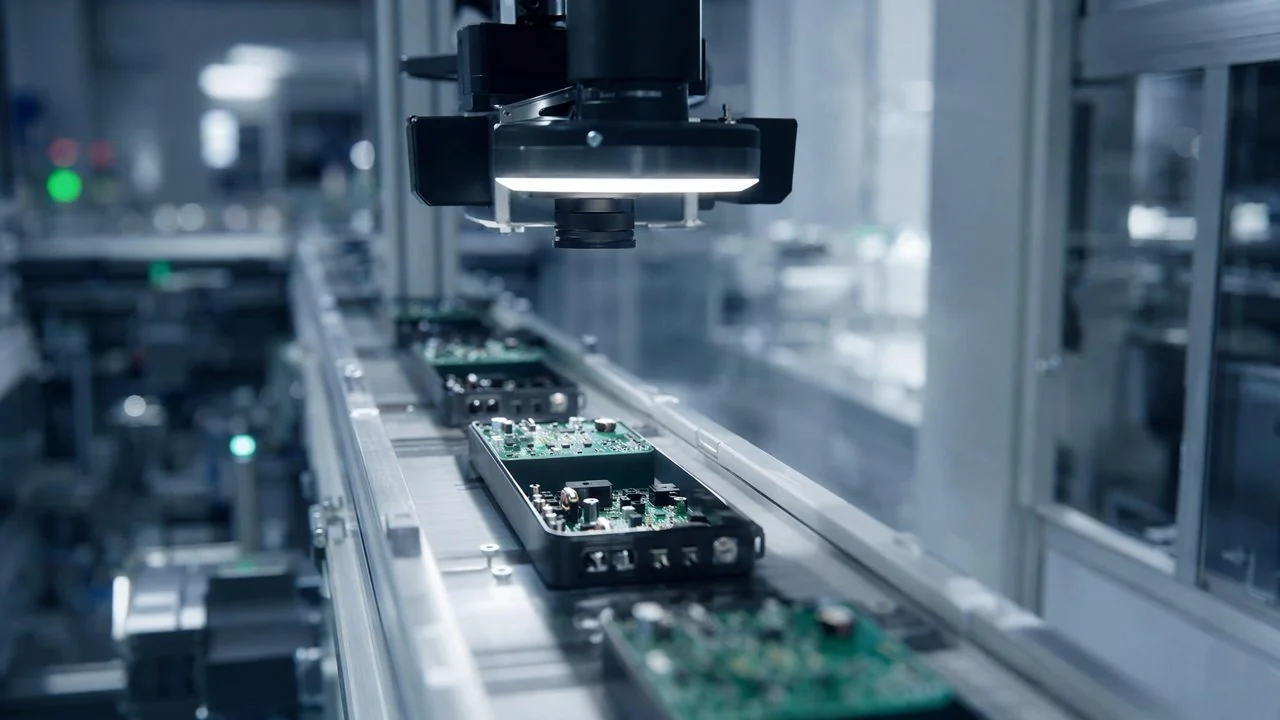
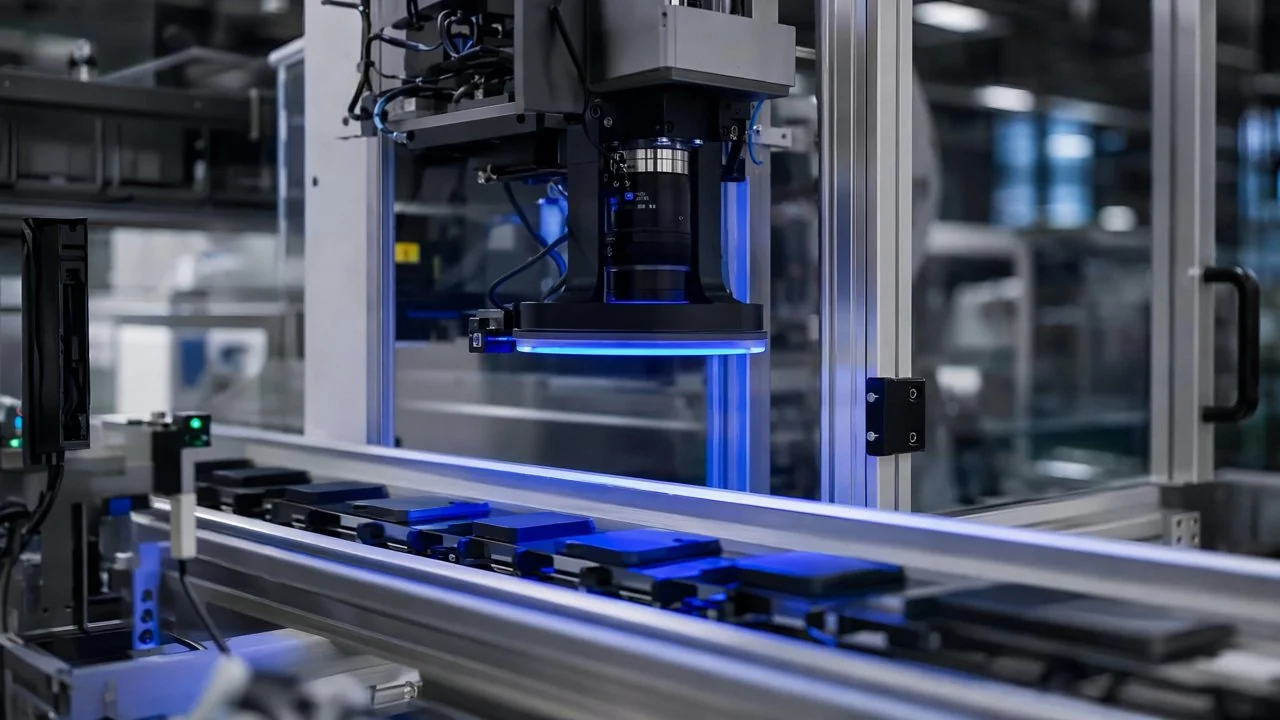
DaoAI's deployment runs in four steps. ① Assessment — group inspection tasks by SKU family first; anything that can share a template should. ② Configuration — match systems and lighting to cadence and cosmetic requirements. ③ On-site deployment — model built from good product; operators are up to speed in about 30 minutes. ④ Feedback — re-checks flow back, the model updates in minutes, and new variants inherit existing templates.
5. What to measure afterwards
Four numbers: detection rate, false-call rate, samples needed to launch a new variant, changeover time. Across DaoAI's deployed consumer lines the typical picture is 92%+ detection on assembly completeness with false calls down 40% and 28 defect types handled by one model; 40%+ improvement on logo and silkscreen detection, live on 1–20 good samples; 94% fewer misjudgements on metal housing cosmetics; and zero-code changeover inside 5 minutes.
Figures are the typical range our solution reaches in anonymised industry scenarios. Actual values vary with product family, cosmetic standard and cadence; on-site measurement governs.
Consumer Goods / General · AI Visual Inspection FAQ
What appearance defects can AI vision detect in consumer-goods manufacturing?
It covers molded-part appearance defects, scratches on reflective metal housings, silkscreen and printed character / logo defects, high-SKU label verification, and assembly missing or mismatch detection.
Consumer products have many SKUs and fast changeovers, can AI adapt quickly?
Yes. DaoAI programs in five minutes from one good sample with no defect library, reusing models quickly across high-SKU changeovers, fit for fast, high-mix iteration.
Scratches on reflective metal housings and coated surfaces are hard to find, how is that solved?
DaoAI suppresses glare with multi-angle lighting and feature-cognition models, reliably finding fine scratches, dents and color differences on high-gloss housings.
Can assembly missing-part and mismatch issues be caught inline?
Yes. DaoAI verifies assembly completeness and correctness inline, catching missing, wrong and mismatched parts before they pass downstream or ship.