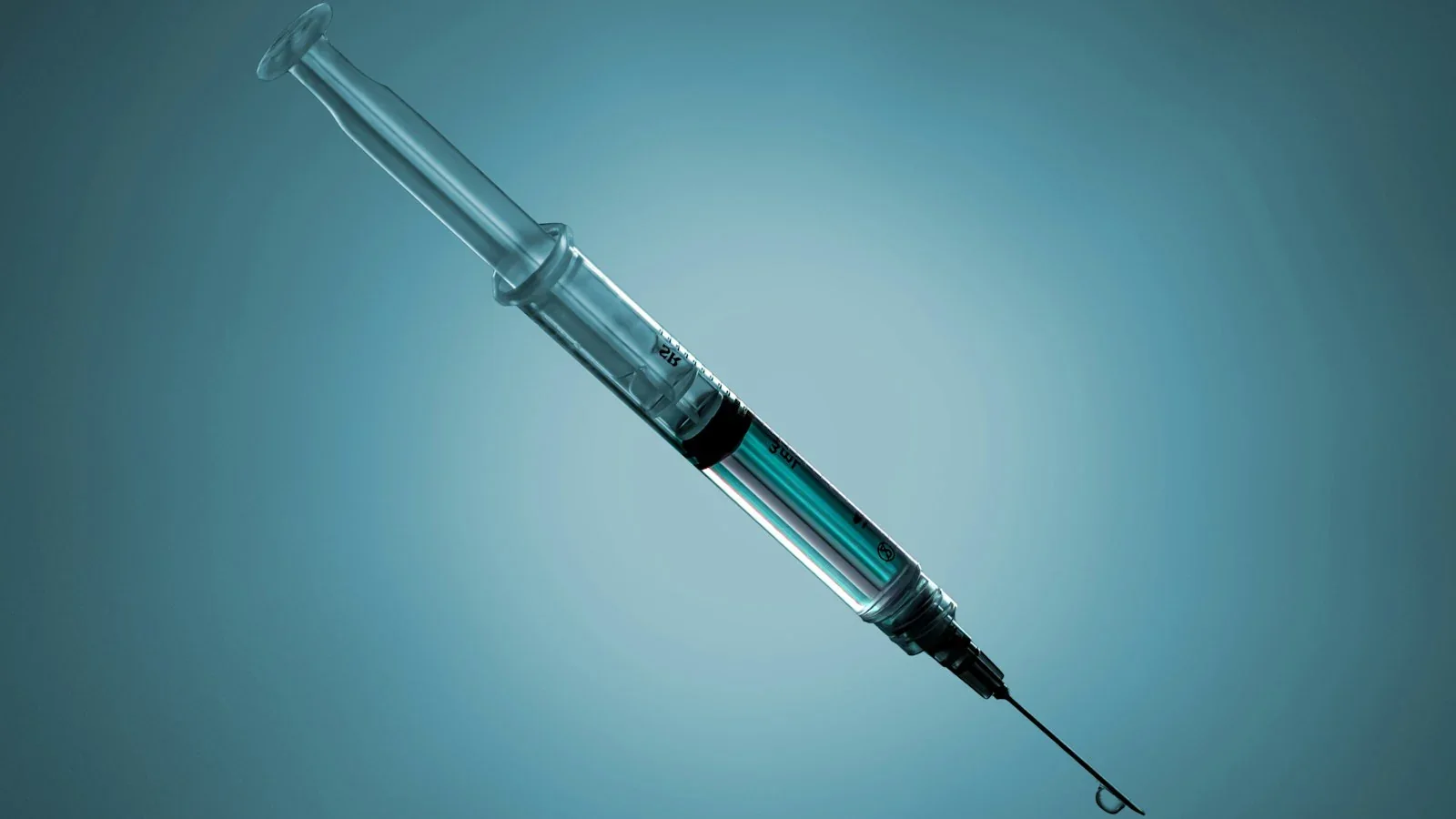
In pharma the first problem is not escapes — it is over-rejection. In visual inspection of injectables, a bubble at the plunger and a real particle look alike, as do glass glare and a crack. Conventional inspection tightens the criterion and pays for it by scrapping good units; in this industry that share can reach a fifth of output.
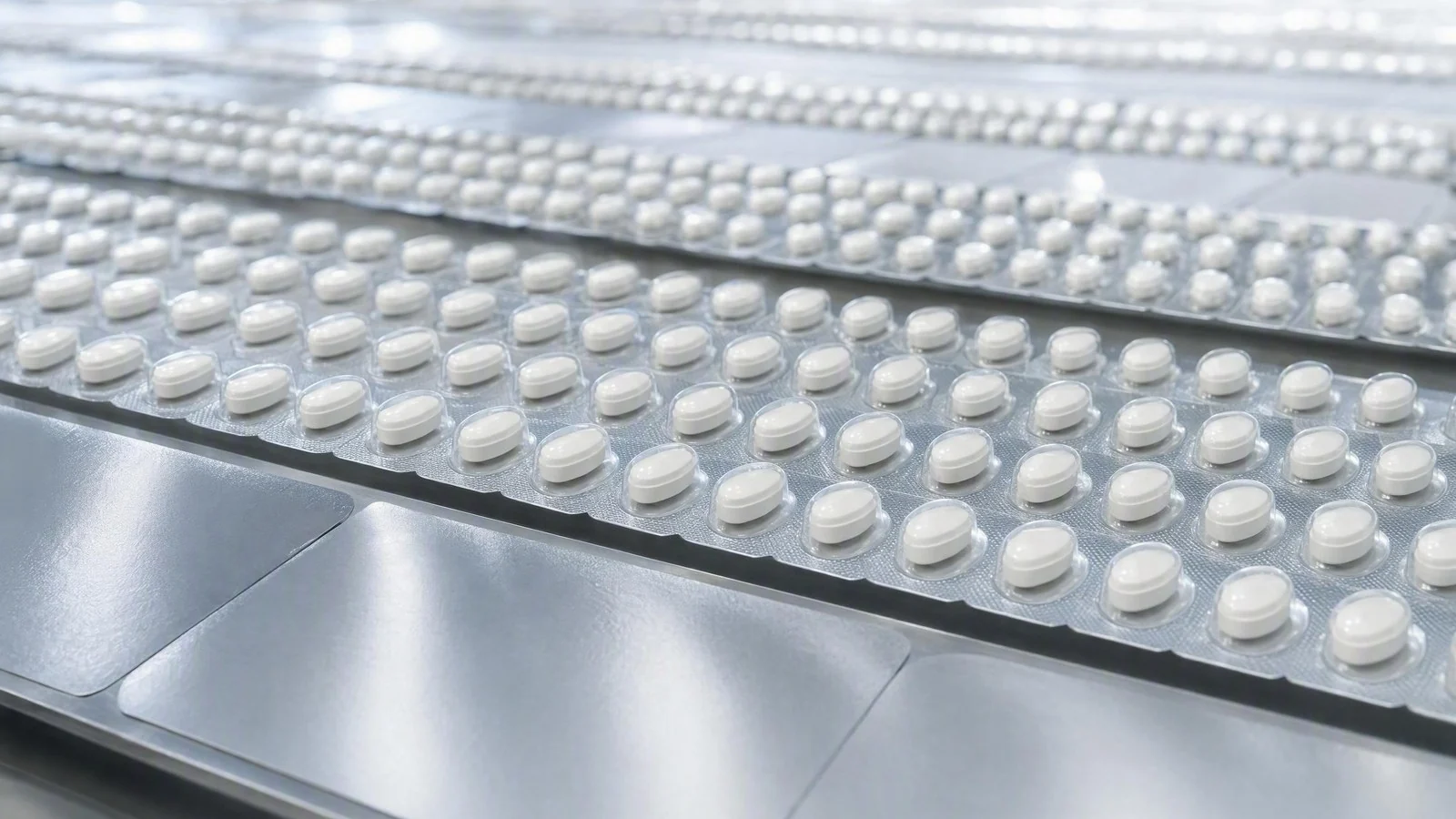
The second problem is that sample scarcity and strict regulation hold at once: defect samples are few, yet every decision has to be traceable and verifiable for GMP audit. The third is speed — blister lines run tens of thousands of units an hour, with strong reflections and very little time per decision.
2. How the solution is put together
Treat over-rejection as the first target: AI re-judgement on the inspection station separates bubbles from particles and glare from cracks, raising detection while bringing false rejects down.
Go live with few samples: APDT positive-sample learning trains on good units only — 1–20 are enough, so a line does not wait for a defect library.
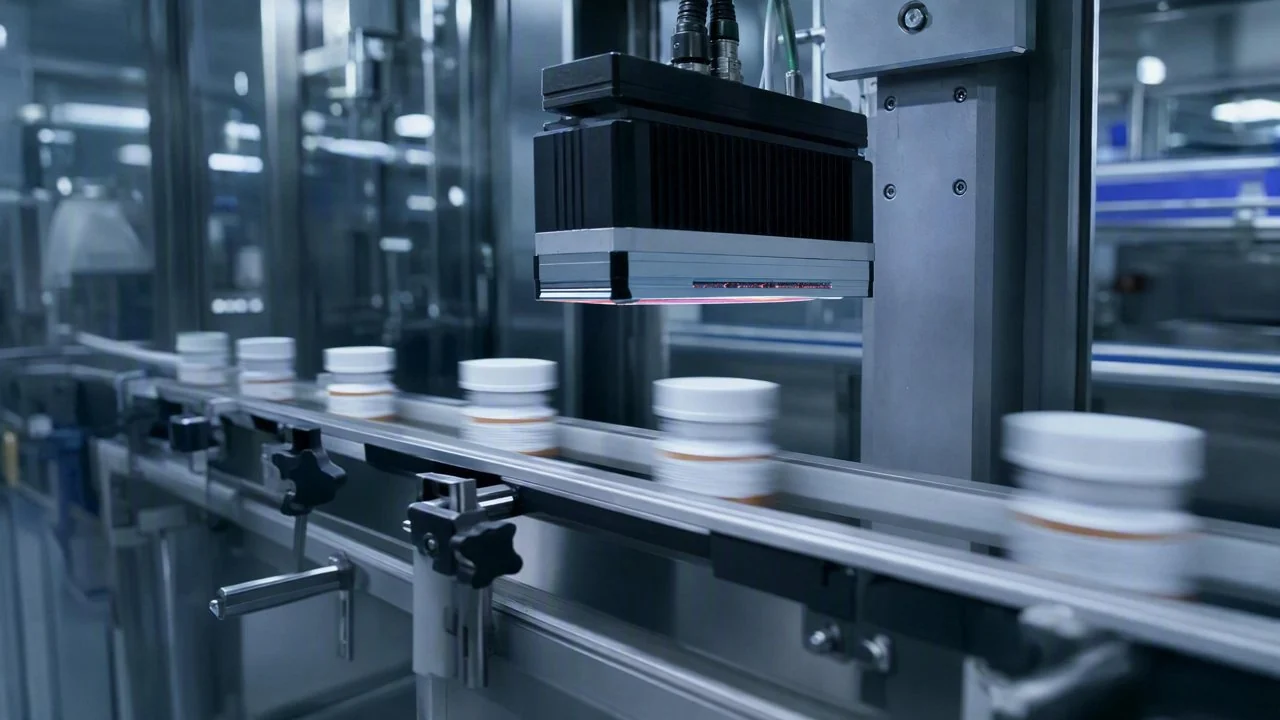
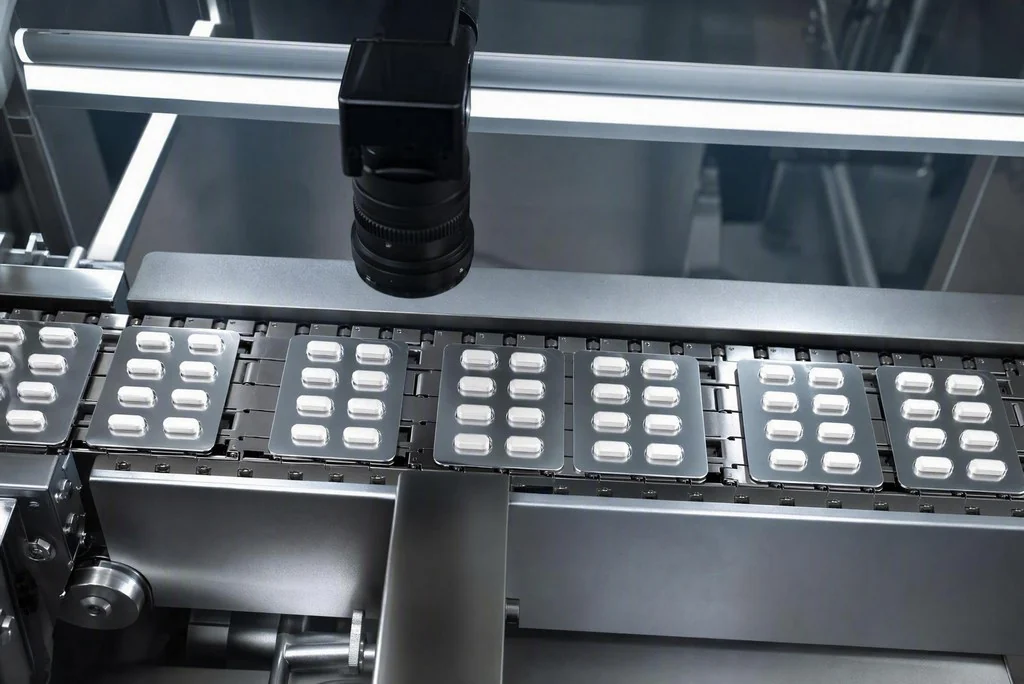
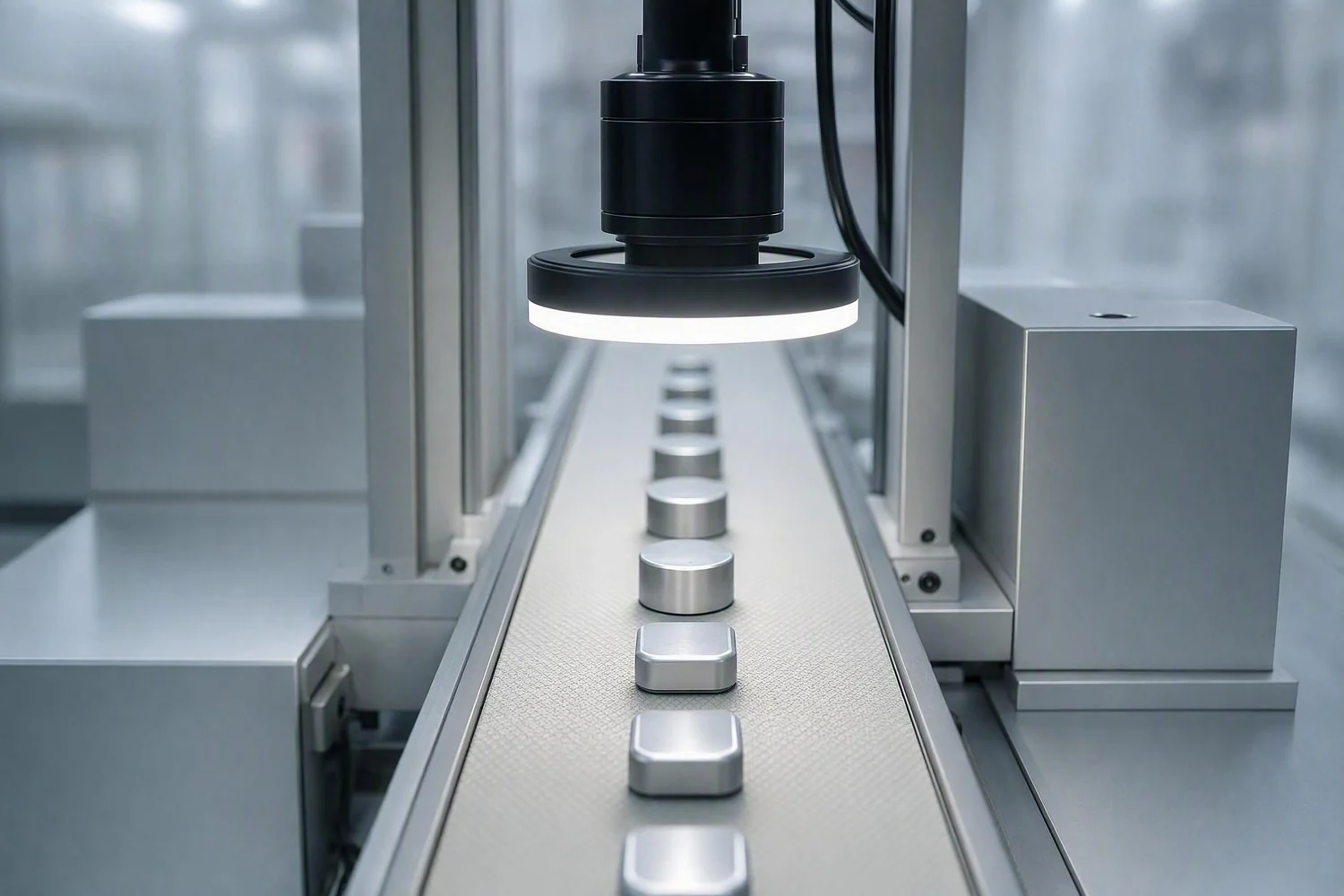
Hold accuracy at speed: blister and bottle stations use real-time inspection with reflection-suppressing imaging, matched to line speed rather than slowing it.
Compliance and traceability: decisions, defect images and batch numbers are recorded together for audit. Production data stays inside the plant.
3. Choosing the configuration
Process step
Recommended
What it addresses
Injectable visual inspection
ACI re-judgement (APDT, few samples)
Bubble versus particle, glare versus crack; fewer false rejects
Blister / bottle packaging
2D ACI, real time
Missing tablets, breakage, seal defects
Label / batch / serial code
2D ACI with OCR / OCV
Missing or wrong print, unreadable barcodes, serialisation errors
Packaging compliance
AOI software with platform templates
Seal, label and batch consistency, kept traceable
4. How deployment runs
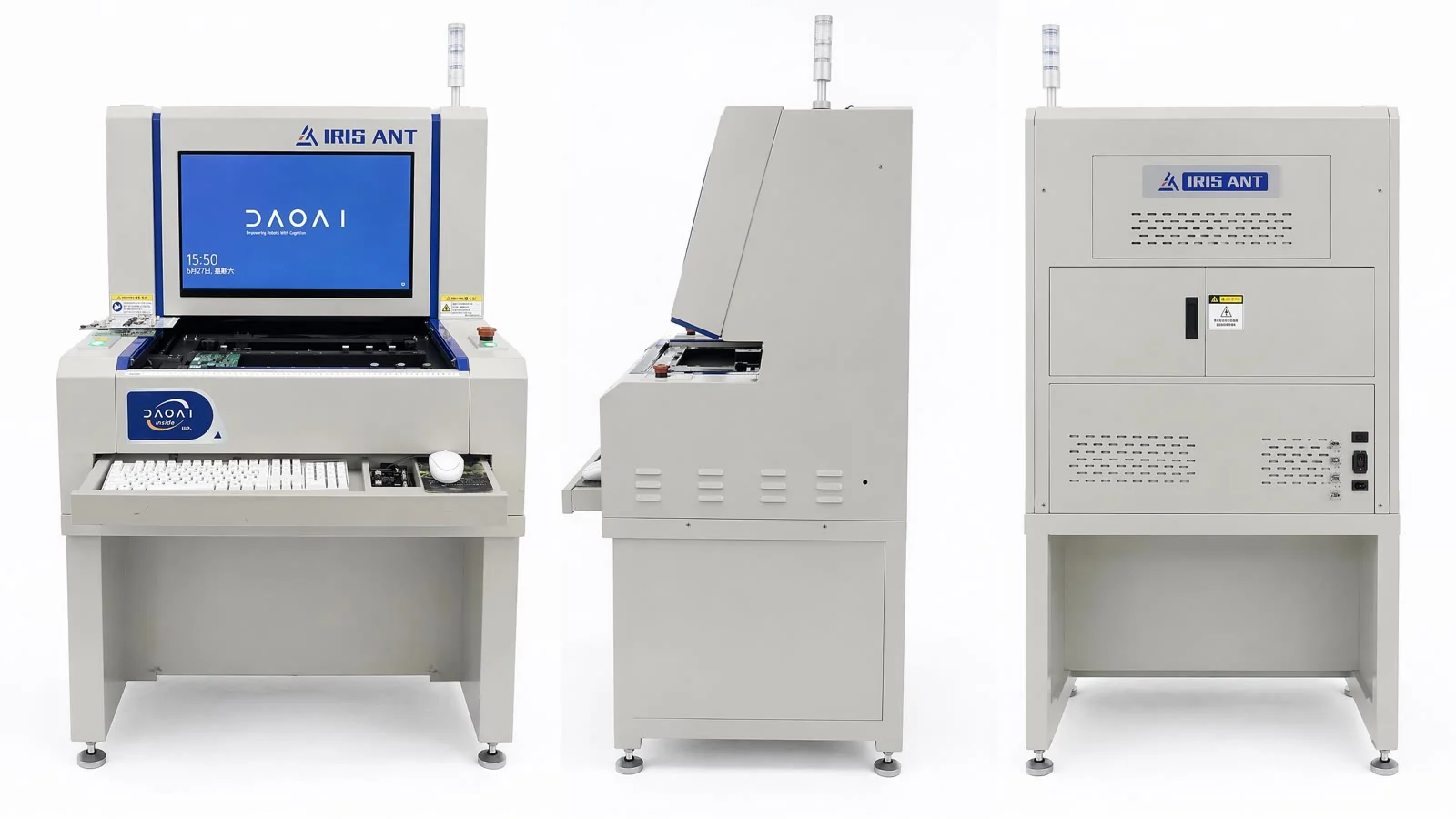
DaoAI's deployment runs in four steps. ① Assessment — set decision boundaries and record-keeping to GMP requirements, and state what must be retained. ② Configuration — match systems and lighting to dosage form, line speed and container material. ③ On-site deployment — model built from good units with validation documentation prepared alongside; operators are up to speed in about 30 minutes. ④ Feedback — re-judgement results flow back, the model updates in minutes, and changes are recorded too.
5. What to measure afterwards
Four numbers: detection rate, false-reject rate, line speed held, completeness of the audit trail. Across DaoAI's deployed pharmaceutical lines the typical picture is a 70% improvement in particle detection on injectables with false rejects down 60%; 99% detection on blister lines at 50,000 units/hour with no speed loss; and 99.8% OCR accuracy on labels and batch codes, with mislabelling close to zero.
Figures are the typical range our solution reaches in anonymised industry scenarios. Actual values vary with dosage form, container and line speed; on-site measurement and validation govern.
From transparent particles in injectables to blister misses and label OCR — fewer false positives and rejects, fast go-live on few samples, compliant and auditable.
Scene · injectable AVI
A sterile-injectable plant · particle vs bubble
ChallengeBubbles vs real particles and glass glare vs cracks are very hard to tell apart; legacy AVI can reject up to 20% of good units.
SolutionACI adds a deep-learning re-judge to visual inspection, with APDT few-shot learning even when defect samples are scarce.
+70%FO detection
−60%False reject
GMPValidatable
Scene · blister & vial
An oral-dose plant · high-speed blister inspection
ChallengeMissing tablets, breakage and seal defects fly past at 50k units/hour, under strong glare and with limited defect samples.
SolutionACI runs high-speed real-time inspection with APDT positive-sample learning — steady even on reflective blisters.
99%Detection mAP
50k/hThroughput
✓Few-shot
Scene · label OCR
A pharma-packaging plant · in-line label inspection
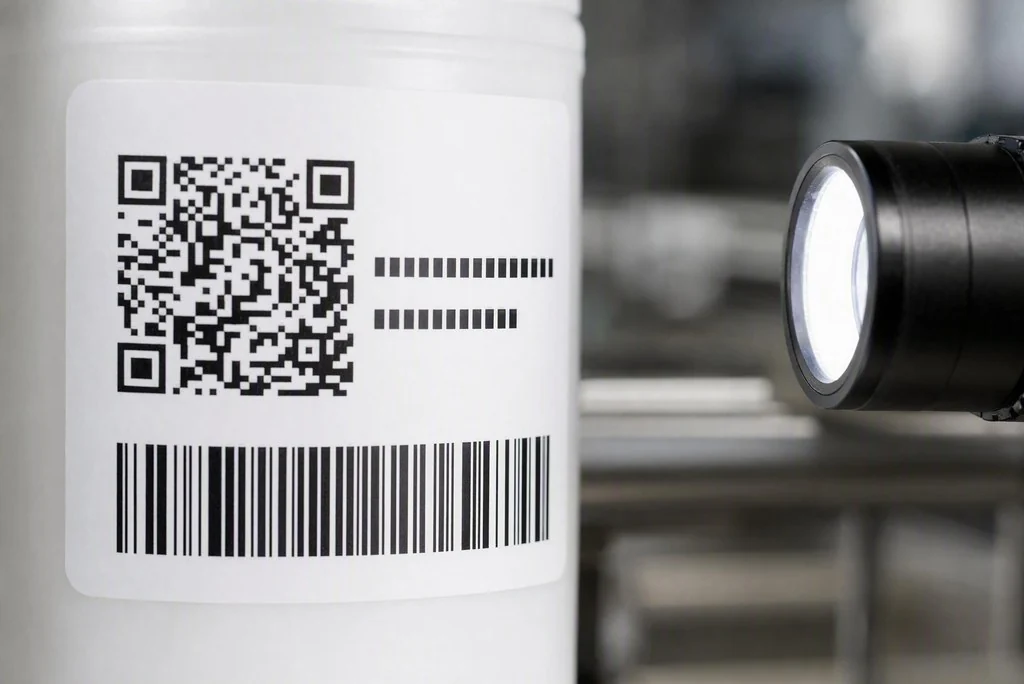
ChallengeMissing or wrong text, unreadable barcodes and bad serial codes are patient-safety issues that spot checks miss.
SolutionACI with OCR/OCV inspects every unit in line, synced to line speed and auditable at full rate.
99.8%Detection
0Escapes
✓Full-rate
Cases are anonymised industry scenarios; the figures are typical ranges achievable with our solutions.
In-depth cases · IN-DEPTH
Pharma · in-depth cases
Each case breaks down the path to deployment in a real scenario — industry context, pain points, our solution and the results.
What quality items can AI vision inspect in pharma?
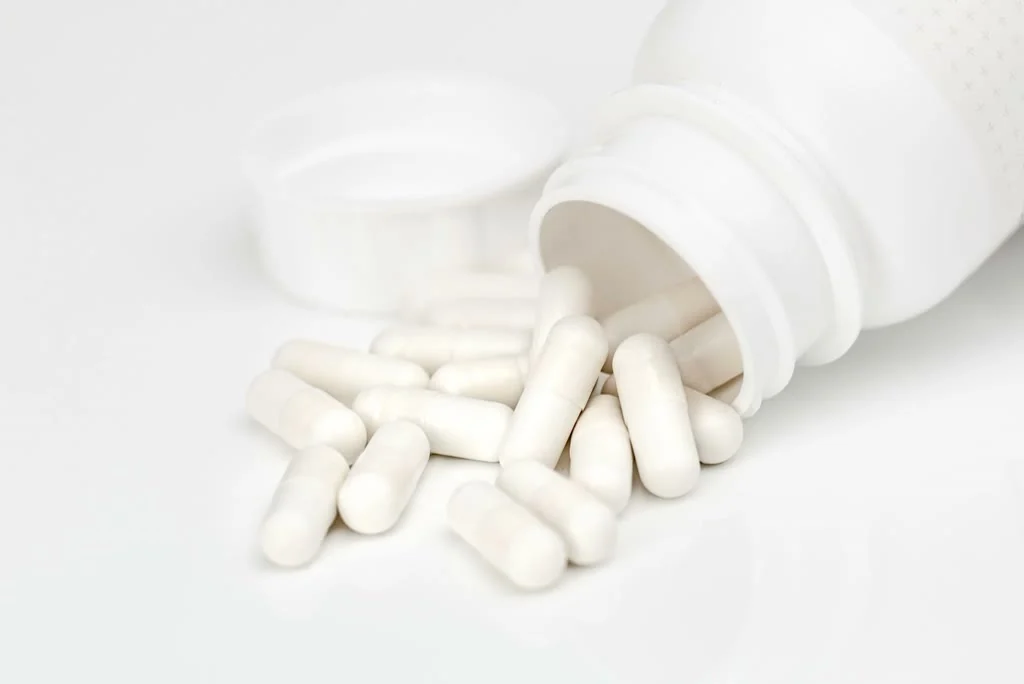
It covers vial and ampoule fill and seal, visible particles in injectables (telling bubbles from true foreign matter), multi-class capsule appearance defects, high-speed blister inspection, and label OCR with serialization.
Bubbles and real particles look alike in injectables, how does AI tell them apart?
DaoAI distinguishes motion trajectory and morphology with multi-frame dynamics and deep models, separating bubbles from true particles to cut both false rejects and escapes.
Under GMP, can AI inspection meet data integrity and audit traceability?
Yes. DaoAI supports on-premise deployment, traceable results and image archiving, and with label OCR and serialization it fits GMP data-integrity and anti-counterfeit traceability needs.
Blister and capsule lines are very fast, can AI inspect every unit?
Yes. DaoAI is optimized for high-speed blister and capsule inspection, checking every unit inline for missing pieces, breakage, color variation and multi-class appearance defects, replacing manual visual checks.