
ALL SCENARIOS
All Application Scenarios
Our 55 real-world scenarios span 8 industries and two product lines — AI-AOI inspection and robot vision. Browse by industry, or by product.

3D Inspection for Hidden BGA / QFN Solder Joints
The solder joints beneath BGA and QFN bottom-terminated packages are physically hidden — one of the hardest defect types to see in electronics manufacturing.
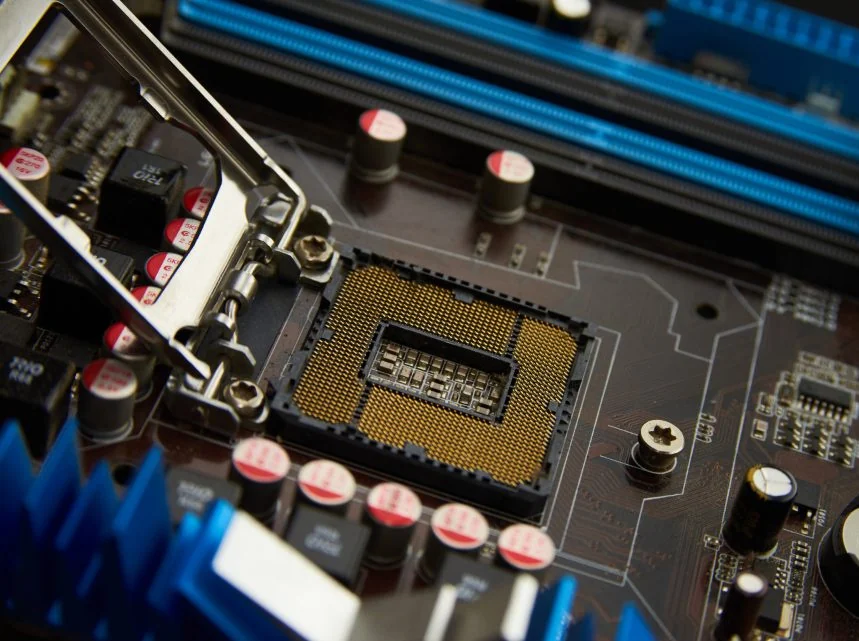
PCBA Component Shift & Tombstoning Inspection
Component shift and tombstoning are common defects in the SMT placement stage — shift disrupts circuit connections, and tombstoning can cause an open circuit outright.

Conformal Coating Coverage & Foreign Object Detection
Conformal coating coverage determines a circuit board's long-term reliability in humid and corrosive environments.

Gold Finger Scratch & Oxidation Detection
Gold fingers are the critical external-connection points on a PCBA board — scratches and oxidation directly affect plug-in reliability.
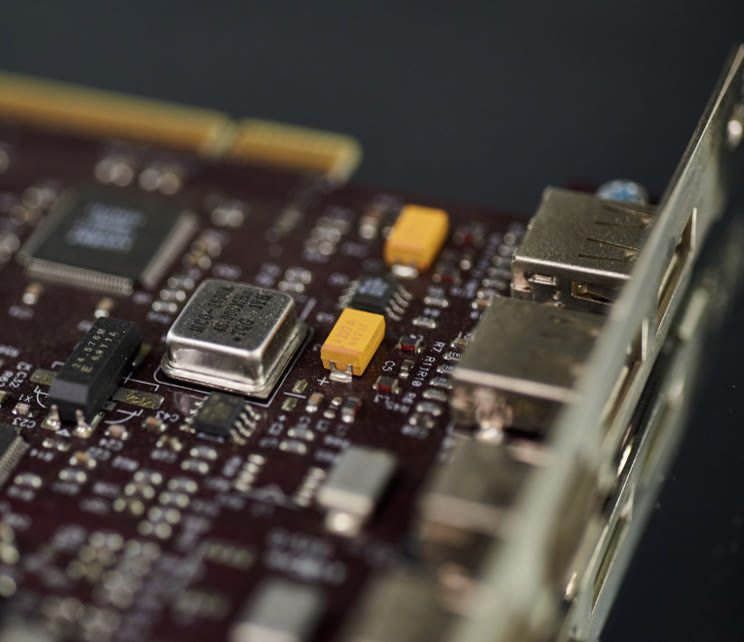
Component Polarity False-Alarm Reduction
Automotive electronics have near-zero tolerance for reversed components, and the line must catch every instance at full production speed.

SMT Solder Joint Inspection: Solving Cold Solder, Bridging & Insufficient Solder
SMT solder joint quality directly affects product performance and reliability; cold solder, bridging, and insufficient solder have long relied on manual secondary inspection.

Chip Laser-Marking Character Inspection
Laser-marked characters carry critical model and batch-tracing information — the first line of defense for product traceability.

Die Attach Void Detection
Voids from the die-attach process affect a chip's heat dissipation and electrical performance — a key risk point for packaging reliability.
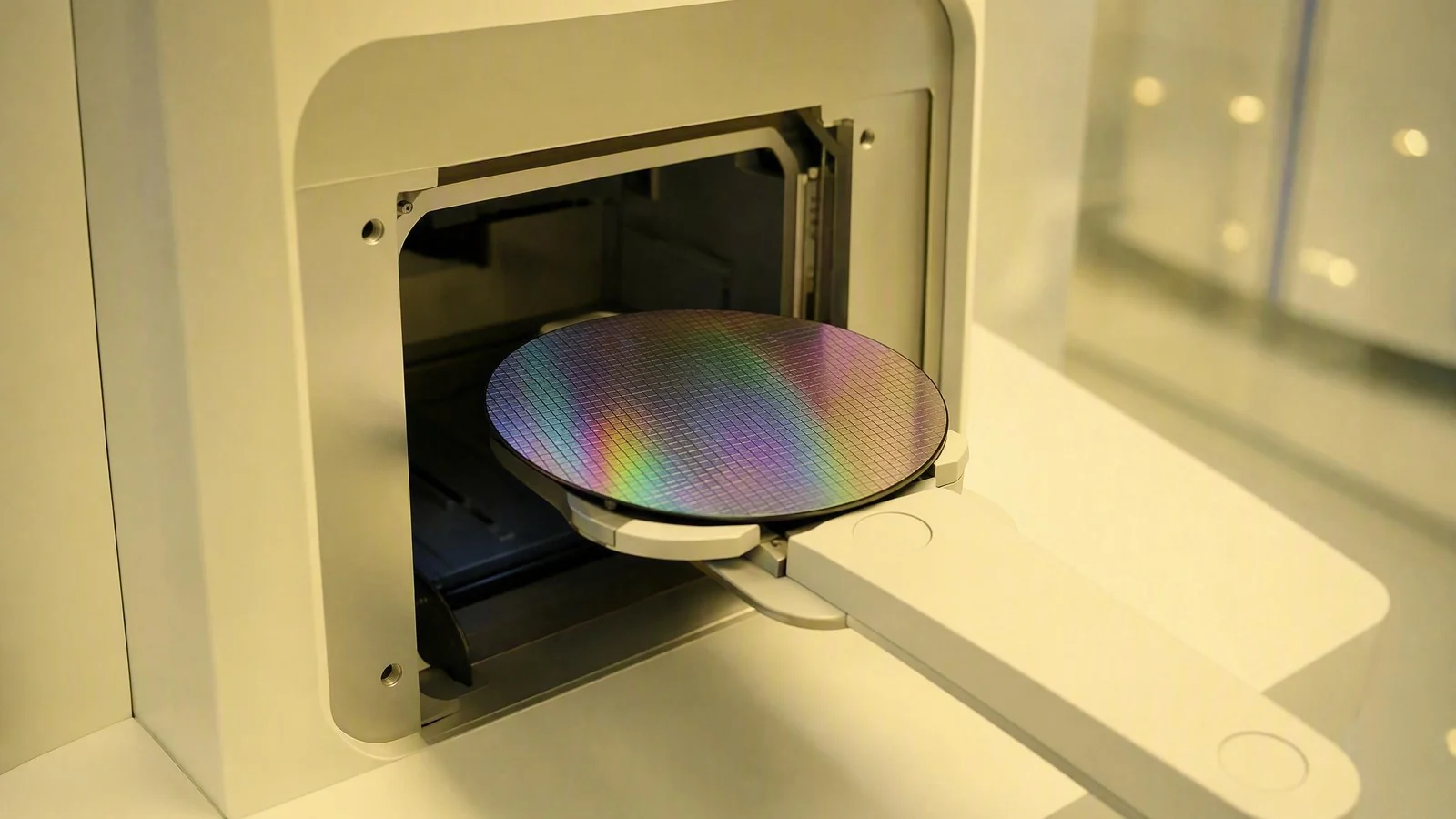
Lithography Pattern Defect Detection
Broken lines, shorts, and foreign-particle adhesion in lithography patterns directly affect chip yield.

Semiconductor Package Crack Detection
Cracks on the surface and edges of a package body can affect a chip's electrical performance and, in severe cases, cause outright failure.

Wafer Surface Particle & Scratch Classification
During packaging, particles and scratches on the wafer surface vary widely in form — a frequent source of yield-affecting defects.

Post-Wire-Bond Inspection
Wire bond quality directly affects chip electrical connection reliability and heat dissipation.

AI Vision Inspection for Vehicle Assembly Errors & Missing Parts
Engine assembly involves dozens of elements — bolts, gaskets, sensors — and any omission can create a safety risk.
Connector & Terminal Poor-Contact Detection
Connector and terminal contact reliability is directly tied to the stability of a vehicle's electrical system.

Automotive Paint Surface Defect Detection
Body paint quality is not just cosmetic — defects like sagging and orange peel can also degrade the paint's protective performance.

Automotive Assembly Error-Proofing: Robot Vision Reduces Misassembly Rate
Bolt misassembly and missing bolts are common quality risks in assembly, and manual checks or traditional vision have limited ability to catch them.

Random Bin Picking: 6D Pose-Guided Grasping for Featureless Parts
Feeding parts sounds simple, but for randomly stacked, smooth, featureless components, traditional automation often falls short.

Fastener Tightening Cycle Time & 100% Full Inspection
Fastener tightening needs to hit high cycle-time targets while still meeting 100% inspection requirements — traditional approaches struggle to deliver both.

100% Inline 3D Inspection & Path Correction for Automotive Glue Dispensing
Glue seal quality directly affects a vehicle's water and dust resistance; broken beads, overflow, and gaps are hard to catch with 100% inline coverage using traditional methods.

Stamped Sheet-Metal Surface Defect Detection
The surface quality of stamped sheet-metal body panels directly shapes vehicle appearance and a user's first impression.

Fastener Tightening Visual Inspection
The tightening state of fasteners on engine blocks and transmission housings directly relates to vehicle safety.

Deep-Learning Inspection of Body-in-White Weld Seams
The quality of hundreds of weld seams on a body-in-white directly determines structural strength and crash safety.

Cylindrical Cell Reflective-Shell Inspection
Appearance anomalies on cylindrical cells are directly tied to battery safety and consistency — the last visual checkpoint before shipment.

Inline Electrode Coating Inspection
Electrode coating uniformity directly determines cell capacity consistency and safety — the most upstream quality checkpoint in battery manufacturing.

Battery Module Weld Spot Inspection
Weld spot quality in battery module assembly is directly tied to electrical connection performance and overall safety.

New-Energy Battery Module Weld Misalignment Detection
Weld misalignment inside a battery module can raise internal resistance, cause local overheating, or even create a safety hazard.

Separator Pinhole & Coating Defect Detection
The separator is the last physical barrier between a cell's positive and negative electrodes — even a tiny pinhole can trigger an internal short circuit.
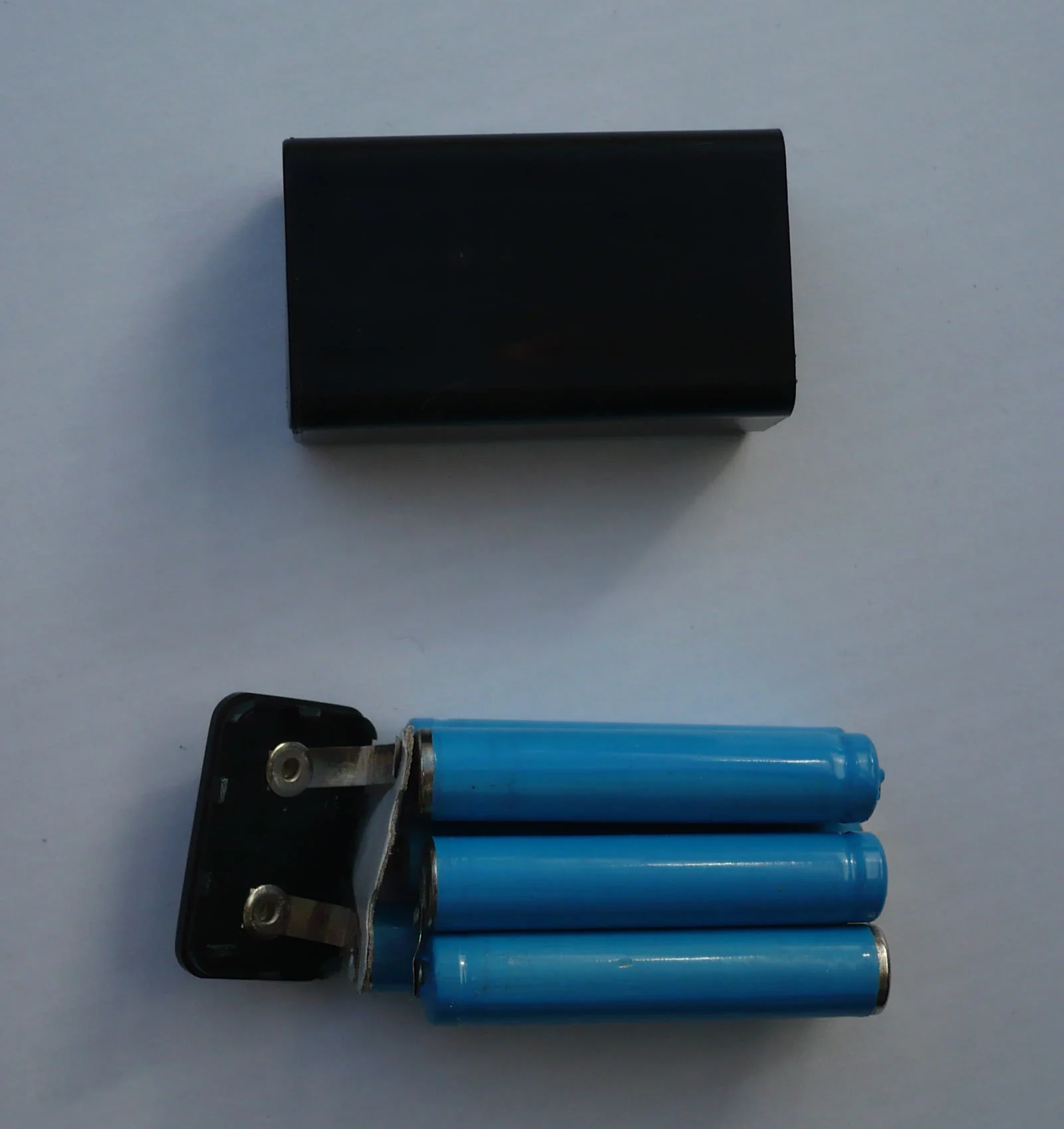
Tab Welding Quality Gate
Tab welding quality is a critical safety line for batteries — burrs or cold welds can pierce the separator and trigger thermal runaway.

Battery Post / Top-Cap Appearance Inspection
The surface integrity and sealing of posts and top caps directly affect battery safety — a critical checkpoint before shipment.

High-Speed Real-Time Blister Pack Inspection
Blister packaging is the last line of protection before a drug meets the outside world — missing pills or damage directly affect efficacy and compliance.

Capsule Defect Detection (80 Classes)
Capsule appearance defects come in many forms, making this one of the most experience-dependent steps in manual quality control for formulation.
Blister Foil Seal Inspection
The integrity of a foil seal and the consistency of its embossing directly relate to a drug's stability through its shelf life.
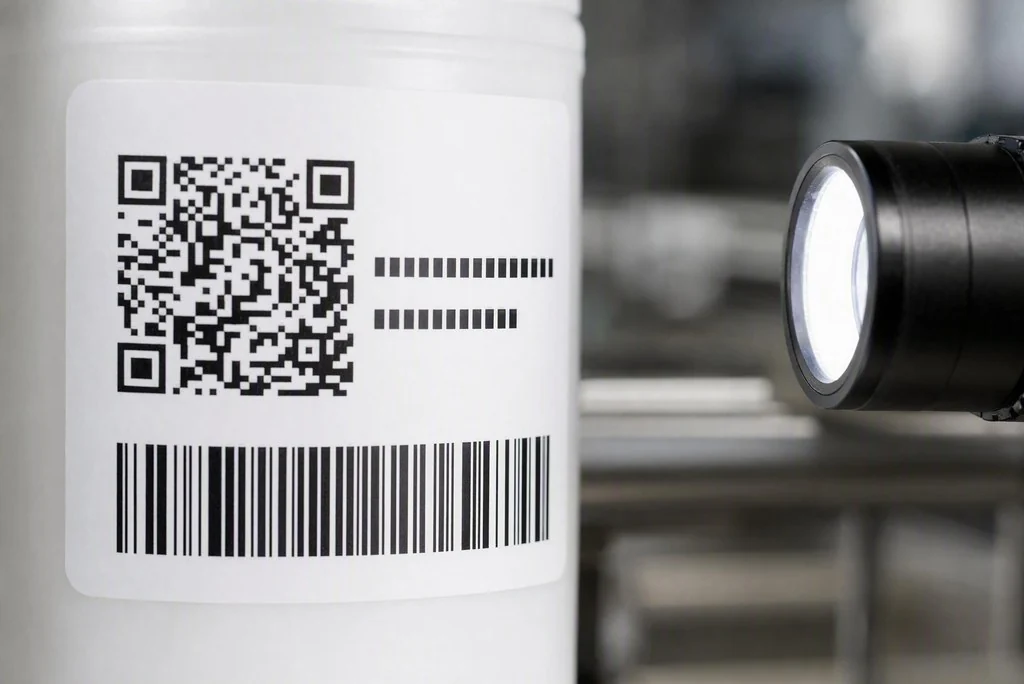
Inline Label OCR & Serial Code Verification
Drug labels carry batch number, expiry date, and traceability code — the first checkpoint for regulatory compliance.
Pharmaceutical Packaging Compliance Verification
Drug packaging must simultaneously satisfy multiple compliance requirements — sealing, labeling, batch numbers, serialized traceability.

Vial & Ampoule Light Inspection
Fill level, seal integrity, and glass fragments are the three most critical quality metrics on a sterile filling line.

Produce Ripeness Grading & Sorting
Produce appearance grading directly determines market pricing and shelf performance.

Fresh Food Foreign-Object Removal & Grading
Foreign-object contamination on a fresh food processing line is the most direct source of food-safety incidents.
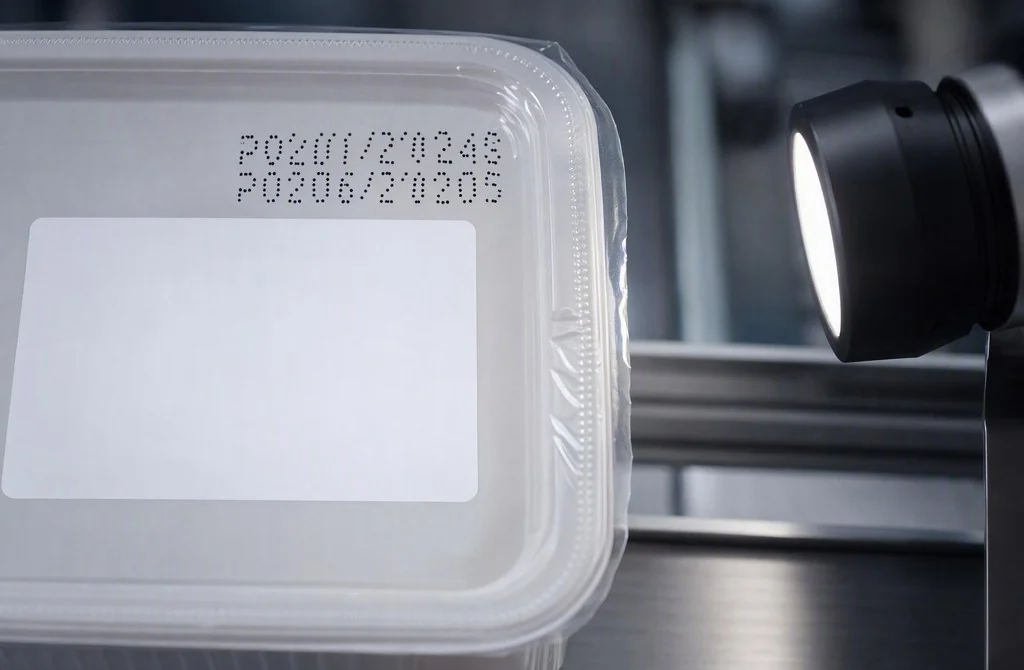
Online Label, Print Code & Expiry Date Recognition
The accuracy of labels and print codes is tied to product traceability and shelf-life compliance — a pain point for lines with frequent changeovers across many SKUs.
Food Package Missing-Item, Misload & Overfill Detection
Missing, misloaded, or overfilled packages on a multi-format line can trigger mass complaints if not caught quickly.
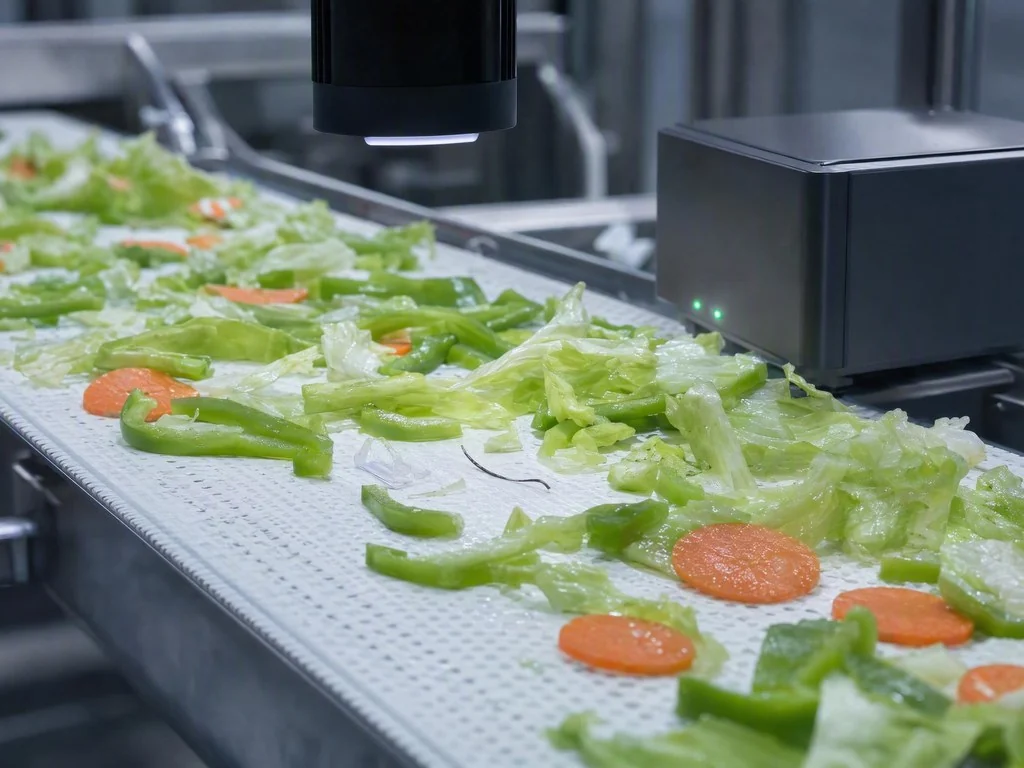
Fresh-Cut Vegetable Small-Object Foreign-Matter Detection
Fresh-cut vegetables have a shelf window measured in hours — the speed of catching foreign-object contamination directly determines food-safety exposure.

Food Foreign-Object Removal & Grading: Robot Vision Cuts False Positives
Reducing false positives and re-inspection burden is the key efficiency lever in food foreign-object removal and quality grading.

Produce Ripeness Robotic Sorting: On-Premise Deployment
Produce ripeness sorting has long relied on manual judgment, where inconsistent standards and data leaving the site limit scaling.
Inline Full Inspection of Food Package Sealing
Seal quality directly determines shelf life and shelf safety — the most critical quality checkpoint on a packaging line.

Inline Drum & Bag Seal Inspection
The seal integrity of chemical drums and bags is directly tied to transport safety and product shelf life.
Online Gauge & Liquid-Level Reading Recognition
Gauge and liquid-level readings are the primary data source for key chemical process parameters.
False-Alarm Reduction for Printed Film / Label Coils
The accuracy of hazmat labels is tied to transport compliance and on-site safety response speed.
Production Line Patrol & Leak Detection
Chemical production lines have many pipe connections spread over a wide area — catching leaks and drips in time is directly tied to safe operation.

Unsupervised Anomaly Detection on Textured Surfaces
Quality control of complex textured surfaces is one of the most experience-dependent steps before chemical materials ship.

Coil Coating Pinhole & Agglomeration Detection
Micron-scale 3D defects like pinholes and agglomeration in web and film materials directly affect barrier, insulation, and appearance performance.

Injection-Molded Part Appearance Inspection
Injection-molded part appearance quality is the most direct quality threshold before a consumer product ships.

Assembly Missing-Part & Misassembly Detection
Consumer-product assembly quality relates directly to safety and user experience — quality-control pressure is especially acute in multi-variety, small-batch settings.
Online Dimensional & Geometric Tolerance Inspection
The dimensional and geometric tolerances of consumer-product structural parts directly determine assembly yield and service life.

High-SKU Label Print Inspection
Label print quality is tied to product traceability and channel compliance — the core pain point for high-SKU consumer product lines.
Consumer Product Packaging Integrity Check
Packaging integrity checks before shipment are the last checkpoint against complaints on the channel side.

Body Logo & Silkscreen Inspection
The quality of the body logo and silkscreen print is a direct driver of a consumer's first impression of product quality.