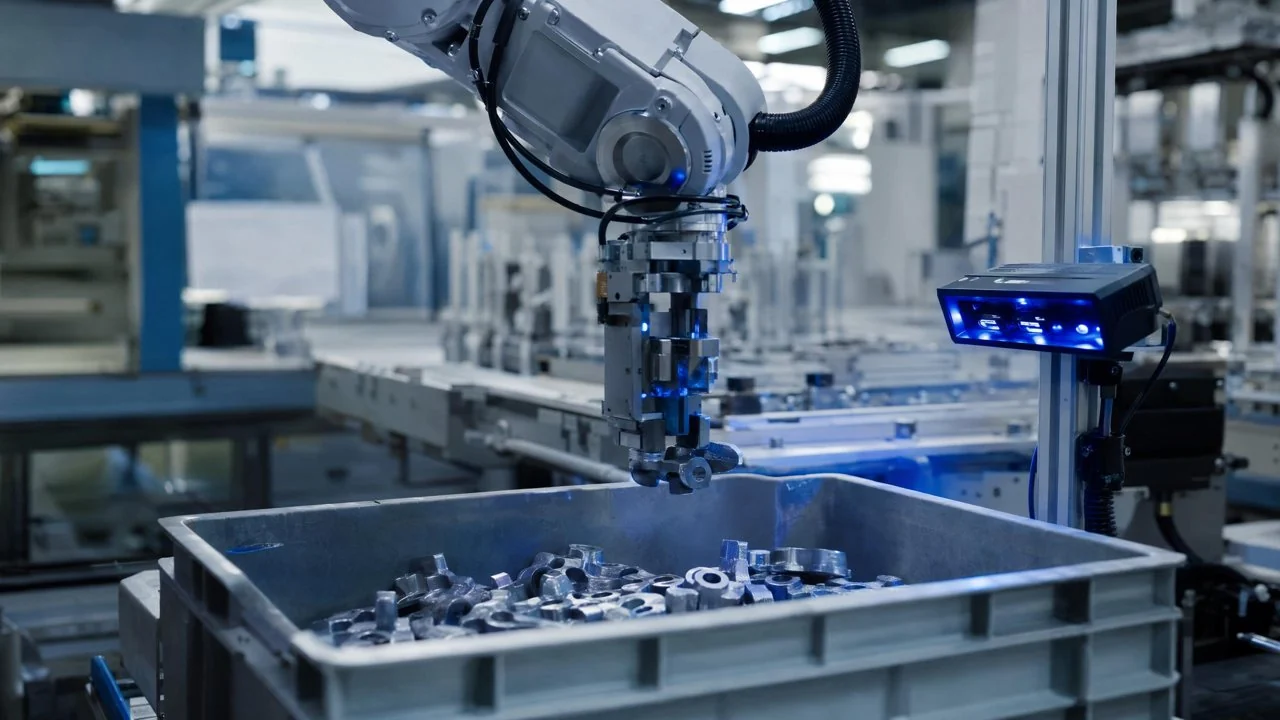
1. What is actually hard on this line
Machinery manufacturing is normally high-mix, low-volume with frequent changeovers: one part today, another tomorrow. Last-generation AOI indexes its rules to coordinates — boxes, thresholds and templates all sit on this one part's geometry — so every changeover means doing it again. The list of defect shapes never ends either: burrs, scratches, dents, blowholes, shrinkage, cold shuts, folds, undercut, lack of fusion. A system trained on defects it has seen is blind by construction to the one it has not.
2. How the solution is built
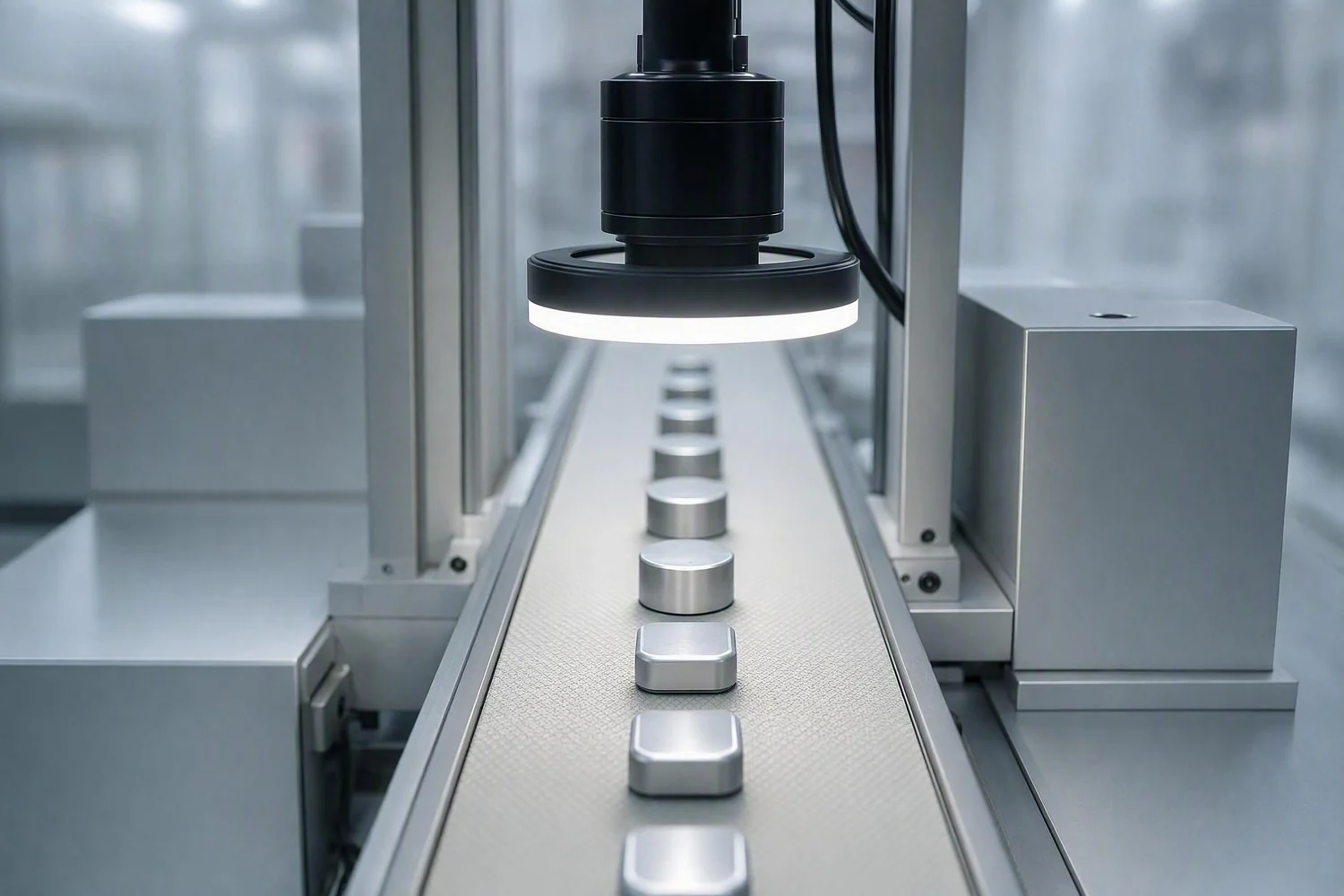
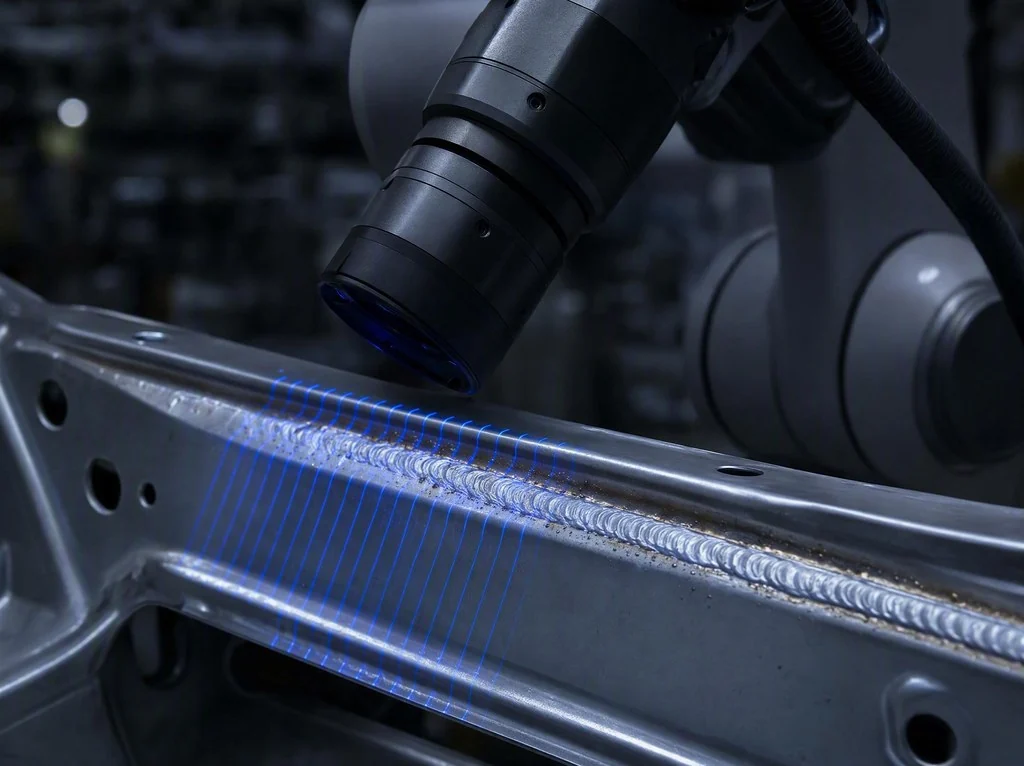
What ACI changes is the basis of the decision. DaoAI models what "normal" looks like from one good part first, then judge where the part in front of it departs — no CAD, no defect library. 2D appearance covers scratches, dents and characters; structured-light 3D topography covers depressions, missing material, weld reinforcement and flatness. When it calls something wrong, the review goes back in — see feedback learning. Thresholds and rules stay yours throughout, and an update never overwrites what you tuned by hand.
3. How to choose a machine
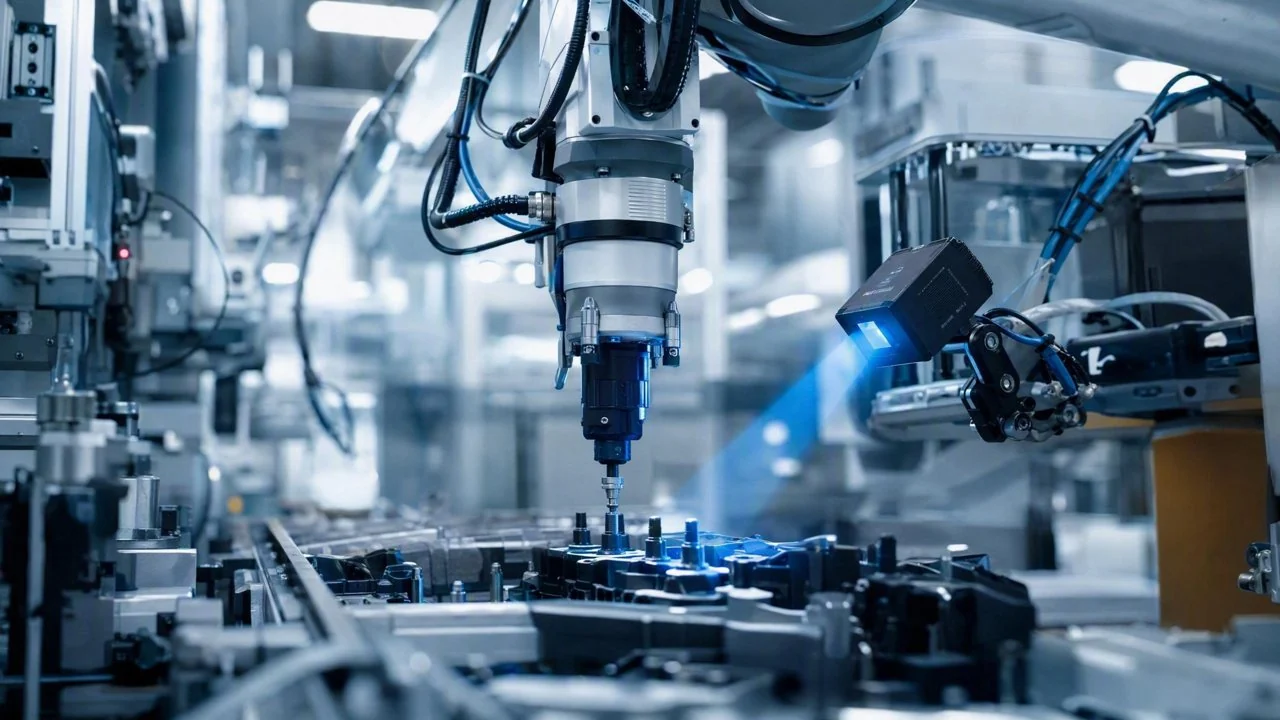
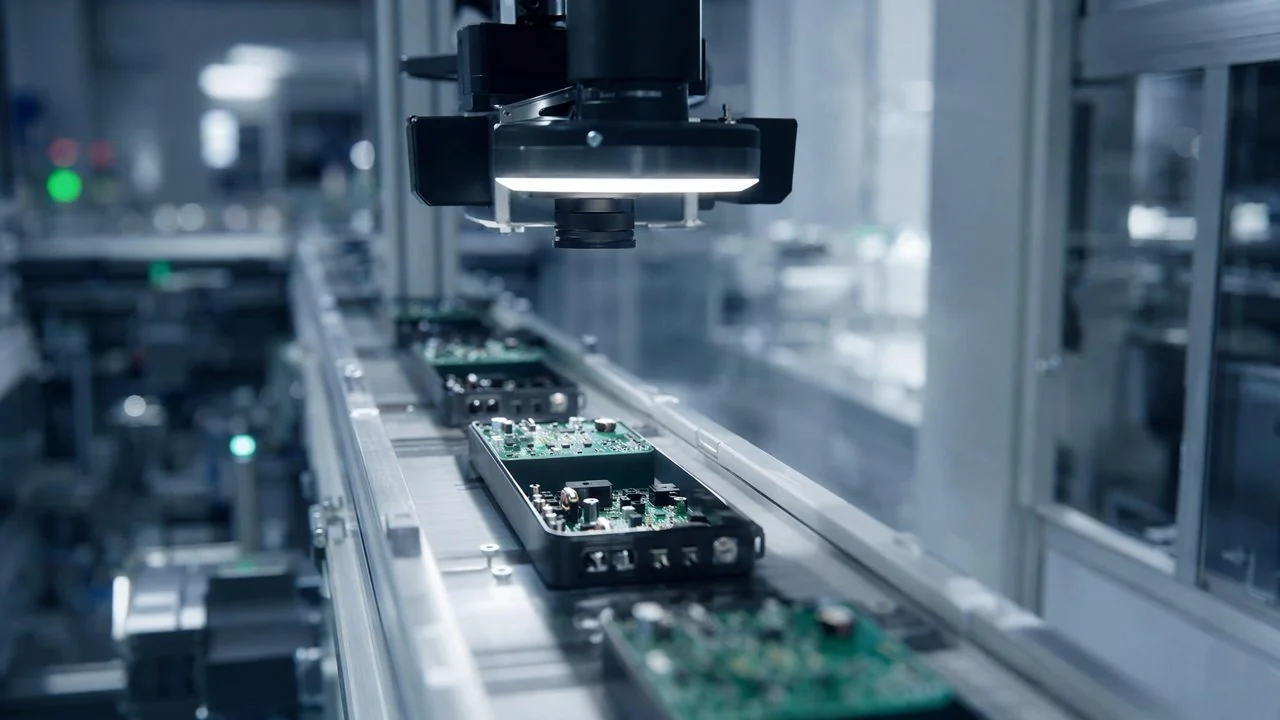
Sampling, incoming re-judgement and high-mix low-volume go to offline models; inspection at line takt goes inline — see 2D ACI equipment and 3D ACI equipment. If you already have cameras and a line, connect ACI OS directly and embed it through SDK / API / Docker. Stations that need a robot to pick and place are covered in robot vision.
4. How a rollout is paced
Start with one station — whichever changes over most often, or whichever has the highest cost of escape. Model from good parts, run a batch of real incoming material, feed one round of review back, and watch whether false calls fall as review accumulates. None of this requires changing the line, and none of it requires deciding what to buy first.
5. How the result is measured
Three quantities you already hold: rework and claims from escapes, engineering hours spent re-judging false calls, and hours spent reprogramming at changeover. You do not have to wait for our numbers — the arithmetic and the variables are at AOI machine cost and ROI.